
Slow Aging: The Korean Beauty Shift From Fighting Age to Aging Gracefully
Slow Aging is a beauty mindset from Korea and China: not fighting age, but slowing its pace. We unpack the idea—and the sleep, food, and sun-care habits behind it—through Japan's everyday wisdom.
 By Jiwoo SeoSocial Media / Beauty & Skincare·2026.07.08 published·2026.09.06 updated·7 min read·2 sources
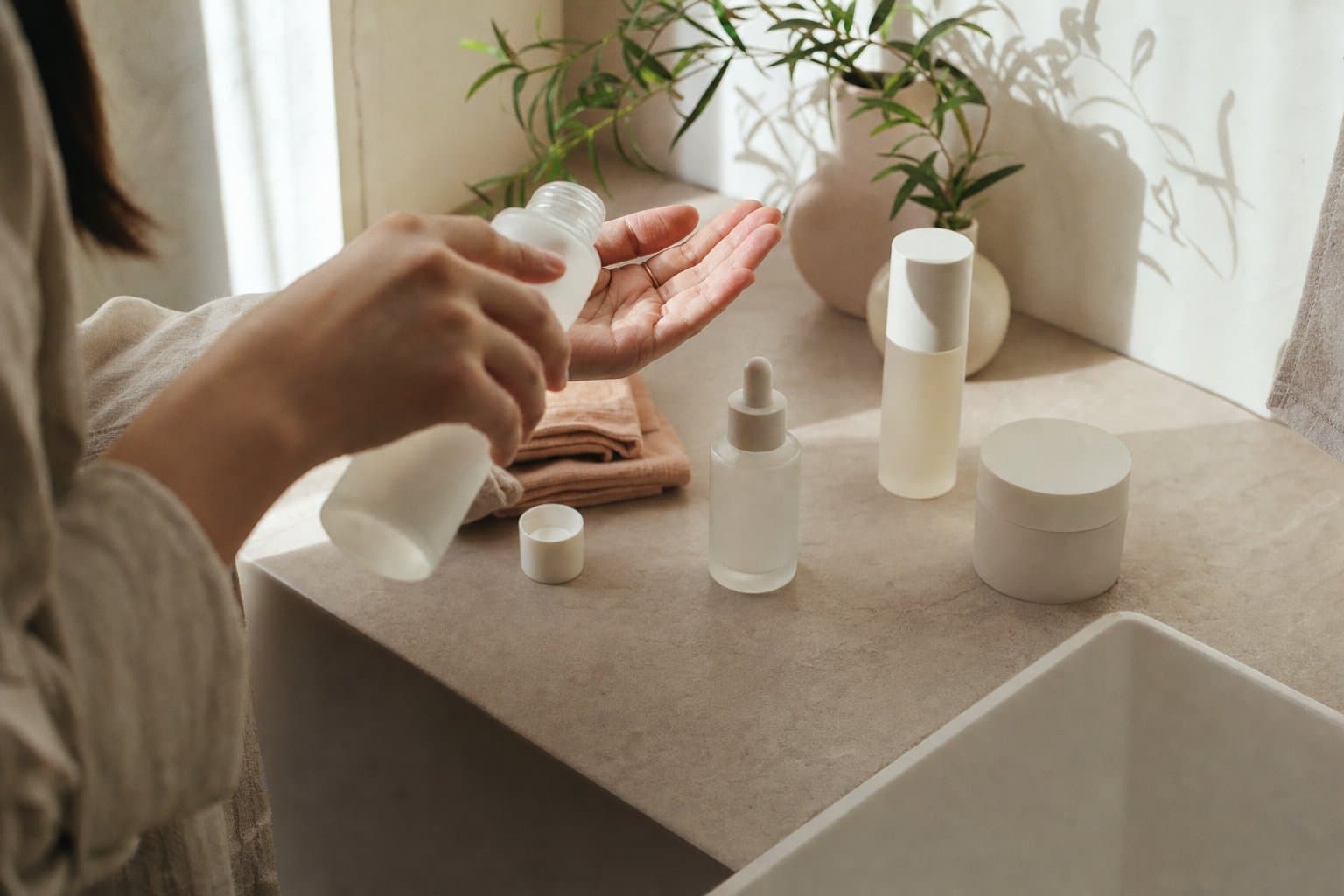
Desperately fighting to ensure you never get a wrinkle or a sag—against that anti-aging stance, a new idea is spreading from the beauty scenes of Korea and China: Slow Aging. The literal meaning is to age slowly. Rather than treating aging itself as an enemy to battle, it is a reframing: slowing the pace of change and aging with grace.
The point is not relying on expensive procedures or one miracle product, but tending to your daily habits. Sleep, food, sun care—none of these are new discoveries. What has changed is the purpose attached to them. You are no longer doing them to claw back youth; you are doing them to slow the rate at which things shift.
That small swap changes the daily experience of beauty. Less time in front of the mirror counting flaws, more time choosing tonight's dinner and tonight's bedtime. The move is from straining to never look older toward aging comfortably, at your own pace. People worn out by trying too hard are the ones responding most strongly to this relaxed approach. And as we will see, the habits it recommends sit unusually close to how many people in Japan already live.
What is slow aging? The Korean trend, by the numbers
Slow Aging (低速老化) is a beauty and wellness mindset whose goal is not to cancel aging out but to slow the speed at which it proceeds. Its scope is wider than skin: it covers the whole shape of a day—sleep, food, sun care. Not younger, just not rushed. That is the one-line definition. The trend shows in the numbers.
TikTok's #slowaging has been viewed over 38 million times, and on the Chinese-language platform RED (Xiaohongshu) the keyword 低速老化 went viral. It caught fire around 2024, as the famously ageless-looking skin of K-pop idols and Korean actresses sparked conversation, and people's mindset began shifting from I do not want to age toward I want to choose how I age. What makes the Korean version distinctive is that it did not stay on the skincare shelf—it came down to the dinner table.
The Korea Herald has reported that slow aging is moving from fad to lifestyle among young Koreans, and The Korea Times, in a February 28, 2025 piece, described the slow-aging diet surging as a new trend across generations. In other words, in Korea the main arena is the weekly menu rather than the serum aisle, which is also why the trend has proved stickier than a single viral product ever could. In Japan, by contrast, the terms Slow Aging and 低速老化 remain little known.
Search and you will find few thorough Japanese explainers—a textbook case of a trend spreading abroad but not yet landed here. Yet the underlying behaviors are not foreign at all, which is the strange gap this article is about. The idea of making a difference through daily accumulation rather than leaning entirely on costly procedures resonates with a generation that prizes value and sustainability, and it travels well precisely because it asks for attention rather than budget.
Slow aging vs anti-aging, and why habits matter
The difference between anti-aging and slow aging looks philosophical, but it really comes down to what you invest in. If anti-aging is about addressing a specific concern that has already appeared, slow aging focuses on the speed at which concerns appear at all. One manages points; the other manages the line between them.
So why habits rather than products? The reasoning is simple. Skin and body are rebuilt continuously. Nightly rest, daily meals, the amount of UV you take on—these are not one-off events but inputs that repeat every single day. Repeated inputs accumulate into a far larger total than occasional special care does, so slow aging starts with whatever happens most often.
This is also why it tends to sound boring: the highest-frequency behaviors are always the least glamorous ones. Let us clear up one common misunderstanding here. Slow aging is not the same as doing nothing and letting nature take its course. If anything it is the opposite—an active practice of deliberately choosing a few behaviors, like sun protection, and repeating them.
It neither means neglecting change nor rejecting cosmetics. And here is the fascinating part: the idea overlaps remarkably with life in Japan. Washoku and fermented foods like miso and natto, the habit of drinking green tea, a sun-conscious culture of parasols and sunscreen, and a rhythm that values early bedtimes—all of these align with what slow aging prizes.
Japanese people were living a slow-aging lifestyle long before it had a label. If the term has value in Japan, it is probably not as a prompt to buy something new, but as a way to recognize existing habits as worth keeping and to give them a reason to continue. Slow aging may be less a new invention than the world re-appreciating and naming the everyday wisdom of Japan and East Asia. One caveat to hold onto throughout: results vary from person to person, and habits are not the only factor at work.
How to start slow-aging care: three foundations
Here is a slow-aging lifestyle you can start today, built on three habit foundations. First, tend to your sleep. Resting well at night is said to underpin the condition of your skin and body. Rather than chaining yourself to a perfect schedule, begin by cutting just one late night.
Picking a single weekday to go to bed early tends to survive longer than trying to shift your bedtime earlier every night at once. Second, care from the inside—the slow-aging diet. This is where the Korean version of the trend is centered. A diet built around washoku and fermented foods, mindful of nutritional balance and gut health, is considered a good fit for what slow aging values.
To lower the barrier, do not replace your whole menu. Add one fermented item to a single meal, or mix grains and beans into a white staple. Extreme restriction is hard to sustain and can undermine your condition. Third, keep up daily sun protection. Much of visible age-related change is said to come from UV exposure, as noted by the American Academy of Dermatology, so making sunscreen a habit regardless of season or weather is widely recommended.
Apply on cloudy days and days indoors, reapply after sweating, and pair it with a parasol or hat. This is the one item worth aiming to do literally every day. When it is not working, triage like this. If you started all three at once and everything collapsed, the problem is volume rather than method—cut back to one.
If you are keeping it up but feel no change, the window may simply be short, or factors outside daily habits may be involved. If you see clear trouble like irritation or severe dryness, stop improvising and see a dermatologist. As for ingredients like retinol and niacinamide that get attention in Korea, whether they suit you varies greatly by skin type.
If you try them, start small and patch-test; if you feel irritation or any concern, stop and consult a professional. None of this is meant to be fast-acting, and how much you notice differs from person to person. There are no absolutes in beauty.
Takeaway: face the pace, not the enemy
What slow aging teaches is that winning a war against aging is not the only goal of beauty. Accepting change while slowing its pace, aging comfortably at your own rhythm—that is a valid option to have. In Korea the idea spread outward from the dinner table; in Japan much of it already sits inside ordinary life.
So the term works less as a signal to buy something new than as a prompt to look again at what you have been doing anyway, and to keep doing it on purpose. This is not a you-must-do-this prescription; it is one way of thinking. You do not need to aim for perfection. The first step is to pay a little more attention to just one of the two foundations—sleep or sun protection—starting today.
Get into bed thirty minutes earlier tonight, or put on sunscreen once tomorrow morning. That is enough to begin. For the protective side of skincare, see pore care and slugging; for the dietary foundation, see fibermaxxing. Skin and constitution differ for everyone, and so does how much change anyone notices.
Consult a professional when something worries you, choose what suits you, and keep it up without strain. That is the beauty habit that carries on the furthest.
FAQ
What is slow aging, in one sentence?
It is a mindset whose goal is not to cancel aging but to slow the speed at which it proceeds. Its scope is broader than skin, covering sleep, food and sun care together. A useful paraphrase is: not younger, just not rushed. It does not name any particular product or procedure—it names a policy for everyday choices. How much anyone notices will differ from person to person.
Why is slow aging trending in Korea?
Around 2024, conversation about the famously ageless-looking skin of K-pop idols and Korean actresses helped shift attitudes from I do not want to age toward I want to choose how I age. What sets Korea apart is that the idea moved past skincare and into eating habits. The Korea Herald has described it moving from fad to lifestyle among young Koreans, and The Korea Times reported the slow-aging diet surging as a trend across generations.
Where should I start with a slow-aging diet?
You do not need to overhaul your menu. The basic direction is a diet built around washoku and fermented foods, mindful of nutritional balance and gut health. The easiest entry points are swaps: add one fermented item to a single meal, or mix grains and beans into a white staple. Extreme restriction is hard to sustain and can work against your condition. If you have a medical condition or dietary restrictions, talk to a professional before making changes.
Which habit should I prioritize to slow aging?
If you must rank them, start with sun protection. Much of visible age-related change is said to come from UV exposure, as noted by the American Academy of Dermatology, and daily sunscreen is widely recommended regardless of season or weather. Add sleep next, then food—that order keeps the load manageable. If you begin all three at once and it falls apart, the issue is volume rather than method, so cut back to a single habit and rebuild.
Does slow-aging care work quickly?
No—speed is not what this approach is for. The aim is to slow the rate of change by tuning the inputs that repeat every day, so the fairer measure is whether you are still doing it, not what you see in a short window. How much anyone notices varies, and factors beyond daily habits are involved too. If you develop irritation, severe dryness or other clear trouble, stop improvising and consult a dermatologist or another professional.
Is slow aging known in Japan?
As a named concept it is still little known, and thorough Japanese explainers are scarce—a textbook case of a trend spreading abroad but not yet landing here. The substance, though, is very familiar. Washoku and fermented foods, green tea, parasols and sunscreen, and a rhythm that values early bedtimes all overlap with what the idea prizes. In Japan the term is most useful not as a shopping cue but as a reason to keep habits you already have.
About this article
This article was written by Jiwoo Seo (Social Media / Beauty & Skincare) of the Tokyo Decoded editorial team, with sources and facts checked by the team. We keep editorial independence from advertisers. See our editorial policy.
Sources
Related
When to Start Anti-Aging Skincare: The Right Timing
When to start anti-aging skincare? A data-backed guide to timing, order, and ingredient choices.
Read more →
A Field Guide to Global Beauty Trends: From Slow Aging to Quiet Luxury
Slow Aging, Quiet Luxury — a single map of global beauty trends. Not the buzzy ingredients or brands, but the shift in beauty values behind them, read through data.
Read more →
Skin Flooding: The K-Beauty Layering Method for Dehydrated Skin
How Skin Flooding — the K-beauty hydration layering method — translates for Japan's dry-season skincare.
Read more →