
Sleepmaxxing 101: How the World Stopped Guessing and Started Optimizing Sleep
Sleepmaxxing has topped 80M views on TikTok. Here's the science of optimizing sleep—seen from Japan, where people sleep the least in the developed world.
 By Lukas WeberWriter / Sleep & Wellness, Data Verification·2026.06.29 published·2026.09.06 updated·7 min read·2 sources
'I slept great last night.' 'I feel kind of under-slept.' For most of human history, we have described sleep by feel. That era is quietly ending. The movement exploding across American TikTok right now is Sleepmaxxing: the deliberate, science-led optimization of how well, how long, and in what conditions you sleep.
Blackout darkness, room temperature, breathing, supplementation, tracking — every variable tuned, one at a time, so that sleep improves by the numbers instead of by guesswork. With the same intensity people once reserved for the gym or their skincare shelf, they are now engineering sleep itself. What makes the trend unusual is how little it depends on expensive gear or special talent.
Re-hanging a curtain, charging your phone in another room, glancing at a thermometer before bed — a surprising share of the meaningful variables cost nothing at all. Which also means most of us have spent years ignoring improvements that were free the whole time. This piece walks through what the word actually means, the concrete steps for raising sleep quality, how to collect and read your own sleep data, and the misconceptions worth clearing up first — all framed for readers living in Japan, where the sleep gap is widest.
What is sleepmaxxing? The definition and Japan's sleep gap
Sleepmaxxing is, in one sentence, the practice of treating sleep quality, duration, and environment as adjustable variables and tuning them one by one toward the best result you can get. The suffix 'maxxing' is internet slang for maximizing something, and the habit grew out of the same culture that pushed lifting and skincare to their limits. It is not a medical procedure.
It is the deliberate design of ordinary conditions: how dark the bedroom is, how warm, what you do in the hour before bed, how you breathe, and what you record. The numbers tell the story. TikTok videos tagged #sleepmaxxing have surpassed 80 million cumulative views, with users trading sleep scores and showing off their optimization journeys like a competitive sport.
What is driving it is a growing alarm about chronic sleep deprivation. Japan, in particular, sits at the very bottom of the OECD for average sleep duration — an unwanted title as the developed world's most sleep-starved nation. Research consistently links sleep debt to declines in focus, judgment, immunity, and mood.
Which is exactly why the audience that needs Sleepmaxxing most may not be overseas at all — it may be right here in Japan. Long commutes, an evening work culture that pushes dinner and email late, convenience stores and station districts lit like daylight past midnight, and homes where the bedroom sits close to a road or a neighbor's wall: daily life here is quietly engineered to shave sleep off the top. Read the other way, that means the upside from reclaiming a few environmental variables is unusually large.
Experts, though, have raised a caution. Coverage of the trend has noted that social-media sleep optimization can tip into anxiety about sleeping correctly, and that shakier methods travel alongside the sound ones. Chasing the score should not become the point. That is the frame to hold before you start.
How to raise sleep quality: engineering, plus one myth
At its core, Sleepmaxxing is a reframing: it is not about how many hours you logged, but how deeply you actually slept — shifting the value of sleep from quantity to quality. The lever is how you prepare your body's cues for rest. Human sleepiness is governed largely by three signals: the body clock, core body temperature, and light.
Even faint light suppresses melatonin; a too-warm room stops the body from shedding heat and makes deep sleep harder to reach; pre-bed blue light tricks the brain into thinking it is still daytime; and mouth-breathing undermines overnight oxygenation and recovery. In other words, you do not will yourself to sleep well — you engineer the external conditions of environment and habit, and depth of sleep follows. It echoes, in its own way, the Japanese tradition of yojo, the quiet discipline of tending to one's health.
Why does this matter especially in Japan? Bedrooms here often face a street or share a thin wall with the next room, summers are hot and humid, and winters leave the bedroom colder than the rest of the home. Light, sound, and temperature — the three biggest variables — are precisely the ones most likely to drift out of range without intervention.
The flip side is that fixing those three tends to produce a noticeable change. One misconception is worth killing off now: the idea that if quality is high enough, you can sleep less. That is wrong. Optimizing quality is not a technique for cutting hours. It raises the density of recovery inside the hours you already have, so daytime depletion falls.
The goal is not to become a short sleeper; it is to stop wasting the time you already sleep. Get that order backwards and you end up with prettier numbers and the same afternoon fog. And results vary from person to person — the right setup depends on schedule, constitution, and existing conditions. If loud snoring, heavy daytime sleepiness, or morning headaches persist, stop trying to solve it with environment tweaks and talk to a medical professional.
How to start: 7 principles, tools, and tracking tonight
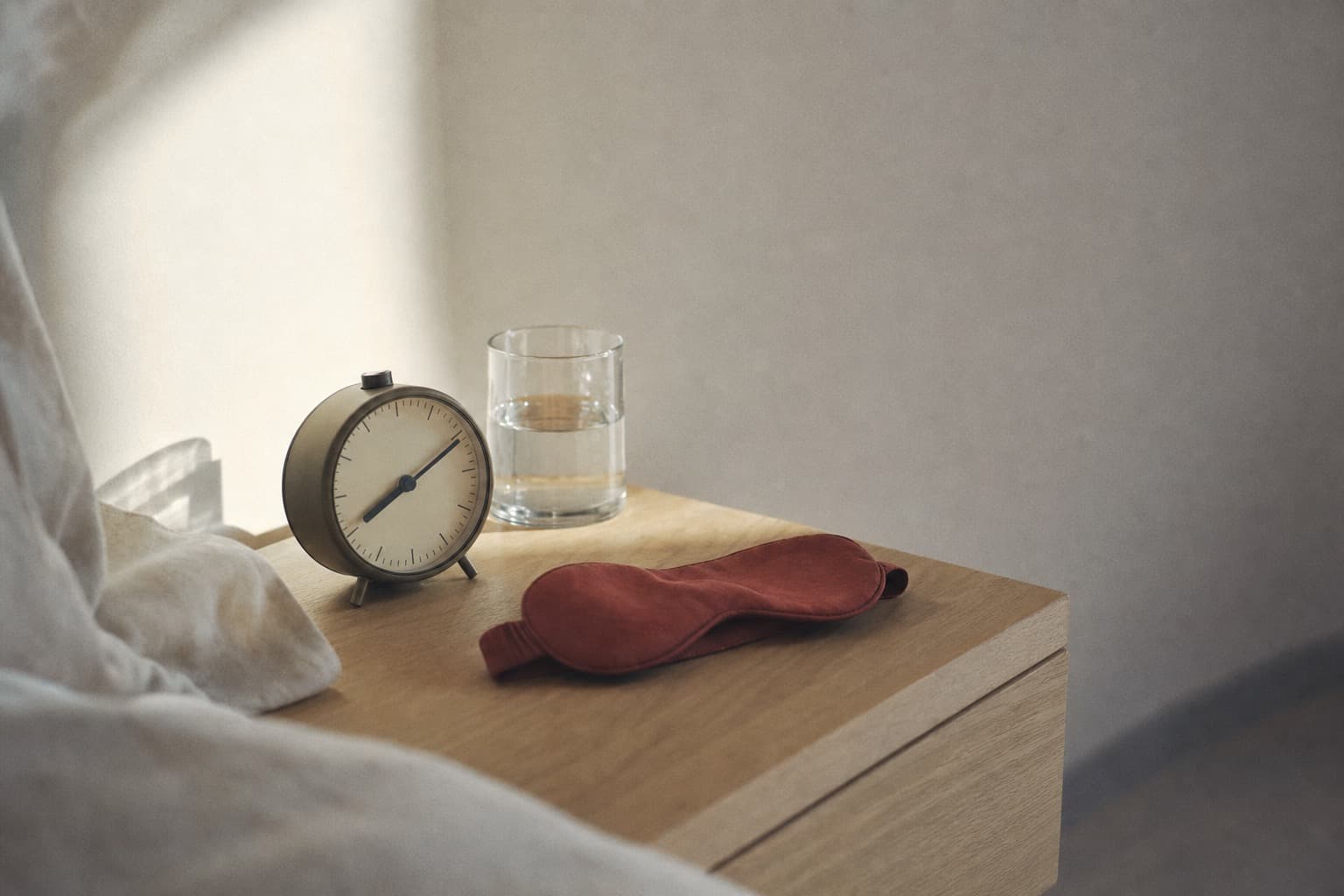
So what do you actually do tonight? The principles of Sleepmaxxing boil down to seven. (1) Total darkness. Block light with an eye mask or blackout curtains, and tape over standby LEDs and charger lights. Scan the room from the bed; if you cannot find a light source, you pass. (2) Room temperature of 18–19C, the sweet spot for deep sleep.
Put one thermo-hygrometer in the bedroom and make checking it part of the wind-down. (3) Secure nasal breathing — keep the mouth closed to prevent mouth-breathing, and skip it entirely on days your nose is blocked. (4) Digital off one hour before bed; charging the phone outside the bedroom is the version that actually holds.
(5) Use white noise or a fan to flatten out sudden changes in outside sound. (6) Nutritional support such as magnesium. If you would rather get it from food, the unglamorous version works: add a magnesium-containing side — beans, nuts, seaweed, whole grains — to dinner, and pair it with tryptophan-containing foods like dairy or soy.
Heavy meals and alcohol right before bed, and caffeine from late afternoon on, are widely recognized as pulling quality the other way. (7) Track your sleep and iterate. You do not need all seven at once; start with the free ones, darkness and the digital cutoff. Tracking is simple: a wearable watch or ring, a phone sleep app, or a paper sleep diary all work.
Log four things for two weeks — bedtime and wake time, how long falling asleep felt, how many times you woke, and your mood on waking — and your pattern will surface. As for ideal numbers, devices calculate scores differently, so comparing yours to someone else's means little. Watch the change from your own baseline and whether you get through the day without sleepiness.
Change one variable at a time; if two weeks bring nothing, call that variable ineffective for you and move on. If nasal breathing is hard, sleep mouth tape is one option — worth a try for snoring or a dry morning throat, though anyone with blocked nasal passages or breathing concerns should ask a doctor first. With magnesium, if your goal is sleep, choose a more absorbable form rather than the first product you see. Supplements are support, and results vary by person.
The takeaway: sleep is the highest-return investment
Sleep may be the highest-return investment you can make in yourself — something to fix before the gym, the supplements, or the skincare. And most of the variables at the center of Sleepmaxxing — light, temperature, sound, breathing, and the hour before bed — cost nothing to move starting tonight. Three steps to take now: make the room completely dark, put the phone down an hour before bed, and breathe through your nose as you fall asleep.
Then, for two weeks, note just two things: when you went to bed and how you felt on waking. The point of collecting numbers is not to compare yourself to anyone else; it is to learn your own baseline. If you want to understand the science behind it, Seiji Nishino's Stanford Method for Ultimate Sound Sleep is an ideal first book, distilling where sleep research stands today.
And if you are ready to build the nasal-breathing habit, start with sleep mouth tape. For how much sleep you need at your age, see sleep needs by age; for the same -maxxing logic applied to food, see fibermaxxing. Results vary from person to person, and persistent problems belong with a medical professional rather than a gadget. Change one small variable, and tomorrow morning will already feel different.
FAQ
What does sleepmaxxing actually mean?
It is the practice of treating sleep quality, duration, and environment as adjustable variables and tuning them one at a time. The slang suffix maxxing means maximizing, and the habit grew out of the same culture that pushed lifting and skincare to extremes. It is not a medical procedure — it is the deliberate design of everyday conditions: darkness, room temperature, the hour before bed, breathing, and tracking. It spread to younger audiences largely through TikTok.
What can I do to improve sleep quality tonight, for free?
Start with two: total darkness and a digital cutoff. Block light with blackout curtains or an eye mask and cover standby LEDs, then charge your phone outside the bedroom for the hour before bed. Both cost nothing and remove the most common interference with your body's cues for sleep. Checking the bedroom temperature before bed is a useful third. Results vary by person, so run it for two weeks before judging.
How should I actually track my sleep data?
A wearable watch or ring, a phone sleep app, or even a paper sleep diary all work. Four fields are enough: bedtime and wake time, how long falling asleep felt, how many times you woke, and your mood on waking. Collect two weeks of that and the relationship between your habits and your nights starts to show. The practical move is to use whatever device or notebook you already have and can keep up with.
Is there an ideal number to aim for in sleep data?
Devices and apps compute their scores differently, so comparing your number with someone else's tells you little. What matters is not the absolute value but the change from your own baseline. And the final check is not the score at all — it is whether you get through the day without heavy sleepiness. Chasing the number for its own sake can backfire. If something feels persistently off, talk to a professional.
Are there foods or drinks that help sleep quality?
If you want to work through food, the unglamorous approach is best: add a magnesium-containing item — beans, nuts, seaweed, whole grains — to dinner, alongside tryptophan-containing foods like dairy or soy. On the other side, heavy meals and alcohol right before bed and caffeine from late afternoon are widely recognized as working against sleep quality. No single food cures anything, and effects vary from person to person.
Which sleep gadget should I buy first?
Try the free levers — darkness and the digital cutoff — before buying anything. If you still want gear, a sensible order is blackout curtains or an eye mask, a thermo-hygrometer for the bedroom, and something that produces white noise, whether a device or an app. For building a nasal-breathing habit, sleep mouth tape is one option. Anyone with a blocked nose or breathing concerns should check with a doctor before using it.
About this article
This article was written by Lukas Weber (Writer / Sleep & Wellness, Data Verification) of the Tokyo Decoded editorial team, with sources and facts checked by the team. We keep editorial independence from advertisers. See our editorial policy.
Sources
Related
How Much Sleep Do You Need by Age? Japan's Official Answer
Japan's health ministry sets sleep targets by age. Here's how to turn those numbers into your own schedule.
Read more →
A Guide to the World's Life-Optimization Trends: Sleep, Rest, and Owning Less
Sleepmaxxing, Bed Rotting, Underconsumption Core — a single map of the world's trends for a better-designed life. Sleep, rest, and belongings, tuned by data rather than by feel.
Read more →
How to Choose a Pillow: Height Guide by Sleep Position
Nearly 60% feel their pillow doesn't fit. A practical guide to height and material by sleep position.
Read more →