
A Guide to the World's Life-Optimization Trends: Sleep, Rest, and Owning Less
Sleepmaxxing, Bed Rotting, Underconsumption Core — a single map of the world's trends for a better-designed life. Sleep, rest, and belongings, tuned by data rather than by feel.
 By Lukas WeberWriter / Sleep & Wellness, Data Verification·2026.07.13 published·2026.09.07 updated·7 min read·3 sources
The era of trying to improve your life through sheer willpower is quietly ending. You sleep badly because you lack grit; your room is a mess because your will is weak — younger generations overseas are rejecting that kind of moralizing in favor of something else: designing the life itself. Optimizing sleep by the numbers.
Spending a guilt-free day in bed. Proudly owning — and buying — less. These look scattered, but they are united by one idea: tuning your own life with data and systems rather than by feel. What they share is not self-help energy but a focus on changeable variables — the temperature of a bedroom, the amount of light hitting your eyes at midnight, the total number of things you own.
Variables can be moved one at a time, and a change you can undo is a change you can actually sustain. That is the quiet reason these trends outlast the usual New Year resolutions. This article gathers the lifestyle trends Tokyo Decoded has decoded into a single entry point: what each term actually means, why practitioners say it works, and how to translate it into a Japanese apartment and a Japanese work schedule. By the end you should have exactly one variable worth changing tonight — not a whole new personality.
What life optimization means: the global numbers and Japan
Life optimization means raising the quality of daily life not through grit or mood, but by designing the conditions you can actually control: environment, time, and possessions. For sleep, that means light, temperature, and the last hour before bed. For rest, it means booking do-nothing time as an appointment rather than hoping it appears.
For belongings, it means lowering the total count so the cost of managing them falls. The shared premise is that you change the conditions first and let behavior follow, instead of asking willpower to do the work every single night. The momentum shows in the numbers. Sleepmaxxing — optimizing sleep through science — has topped 80 million views on TikTok.
Underconsumption Core, the aesthetic of buying less, has crossed 230 million views on its hashtag, with features in Vogue and The New York Times. Bed Rotting, deliberately doing nothing and spending the day in bed, has resonated widely as a burnout-generation defense mechanism. These are no longer passing memes.
Merriam-Webster has entered bed rotting as slang. CNBC examined underconsumption core in terms of personal finances in an article dated August 19, 2024. PureWow published an explainer on sleepmaxxing built on interviews with experts. Dictionaries, business media, and clinicians are now the ones defining the vocabulary.
The drivers behind all of it: exhaustion with information and consumption overload, and the pressure to be perpetually productive. On sleep especially, Japan sits near the bottom of the OECD for average duration. Long working hours, long commutes, small homes, and a phone glowing at midnight all stack in the same direction.
The more the conditions work against you, the more valuable it becomes to treat those conditions as something you design. The soil where life-optimization trends land hardest may not be overseas at all — it may be right here.
Why subtraction works for sleep, rest, and owning less
The spine running through these trends is a shift from addition to subtraction. Instead of buying more, packing the calendar fuller, and pushing yourself harder, you sharpen the resolution of your life by reducing — unnecessary light, noise, objects, stimulation. Why does subtraction work better? Because improvements that add something create a recurring cost: a decision to make, a device to charge, a habit to maintain.
Improvements that remove something pay out once and keep paying. Hang a blackout curtain and no willpower is required tomorrow night. Halve your wardrobe and every morning gets structurally easier. In sleep and in rooms alike, what actually holds is not effort in the moment but a condition that keeps working while you are not thinking about it.
One common misunderstanding is worth killing here: the idea that optimization means buying gadgets and expensive bedding. It is the reverse. The fundamentals discussed under sleepmaxxing are mostly free variables — light, temperature, breathing, and what you do in the last hour before bed. Starting with a purchase quietly returns you to consumption-as-solution, the exact reflex underconsumption core is pushing back against.
Move every free variable first; buy only for the gap that remains. Getting that order right is the highest-value rule in this entire field. The subtraction instinct also overlaps deeply with the core of Japanese culture. Optimizing sleep echoes the old sensibility of yōjō, tending to one's health. The aesthetic of buying less rhymes with mottainai and wabi-sabi.
Even bed rotting, in valuing time spent doing nothing, sits close to the Zen notion of mui, non-doing. Much of what is framed overseas as cutting-edge life-hacking is a retranslation of values Japan held long ago. The difference is that it is now retold through data and concrete steps. Feelings are hard to hand to another person; a temperature and a sequence are easy to hand over.
That transferability is what we can learn from. One caveat: responses vary from person to person, and if poor sleep or persistent fatigue continues, talk to a medical professional rather than optimizing alone.

How to start: entry points by type, with first steps
Where do you most want to set things right? Here is a map by type, each with a first move. ① If you want better sleep → Sleepmaxxing: blackout darkness, a room at 18–19°C, nasal breathing, a digital cutoff before bed — steps you can start tonight for free. Run them in order: light first (make the bedroom genuinely dark), then temperature, then the last hour before bed.
Change one variable, hold it for 2 weeks, and judge by how hard it is to get up, not by how you felt at midnight.
- If you are always tired and do not know how to rest → Bed Rotting: not laziness but a signal that load has outrun recovery. Block a half day with nothing scheduled, ideally 3 to 4 unbroken hours, and put it in the calendar before anything else claims it. If you cannot leave the bed for 2 full days or more on a repeating basis, that is a moment for professional advice, not more rest.
- If you feel chased by objects and information → Underconsumption Core: using things up, mending, one-in-one-out.
Start with a single drawer rather than a whole room. When you want to buy something, write it on a 30-day list and buy only what still matters when the wait is over.
- If you are worn out by social-media performance consumption, start here too. Prune your feed for 1 week and see how much of the urge to buy was yours and how much belonged to someone else's post.
- If a partner's snoring or movement keeps you awake → sleep divorce, spreading not as relationship failure but as a way to protect sleep quality.
Trying it 2 or 3 nights a week and comparing notes is the realistic version.
- If you want the hours at home to feel better → cozy room design across 3 layers: light, texture, sound. The fastest single move is turning off the ceiling light at night and using only sources below eye level.
- If you want to step off the grind → soft life. When progress stalls, check whether you changed too many variables at once to tell which one worked. Results vary from person to person, and persistent symptoms deserve a professional. Do not change everything at once — begin with a single variable.

The takeaway: optimize by subtracting, not adding
Trends for tending to your life will keep emerging around the world, and the names will change every year. But the shared answer is always simple: subtract rather than add; build systems rather than just try harder; move every free variable before you buy anything. Hold on to those three and you can judge the next imported buzzword for yourself, without waiting for anyone to tell you whether it is worth your money.
Tonight's step can be genuinely small. Switch off the brightest light source in your bedroom. Empty one drawer. Put 3 blank hours into next weekend's calendar before something else fills them. All of these are free, and all of them can be undone tomorrow if they do not suit you. Hold one for 2 weeks and judge it only by how mornings feel and how the start of the week lands.
Responses vary from person to person, and if something feels persistently wrong, talk to a professional rather than optimizing harder. Start with the trend article that caught your eye, and change a single variable tonight or this week. And if you want to learn the world's next new normal for living before it arrives, subscribe to Tokyo Decoded's free trend digest by email — hints delivered before they land in Japan.
FAQ
What is the best place to start optimizing my life?
Sleep is the practical starting point, because when sleep is thin, tidying, eating, and decision-making all degrade at the same time. Light and temperature in the bedroom are also variables you can change tonight for free. Try making the room genuinely dark, hold it for 2 weeks, and judge by how easy mornings feel. Results vary from person to person, and changing several things at once makes it impossible to tell which one helped. One variable at a time.
I like the idea of minimalism, but going extreme feels risky.
You do not have to throw everything out. What underconsumption core actually proposes is a set of operating rules — use things up, mend them, one in and one out — that lower the total gradually. Start with one drawer, and let go of one item when a new one arrives. Keep it at a scale you can stop at, because a reversible change is one you can sustain. The goal is not a low object count for its own sake; it is less time spent searching and maintaining.
On days off I want to do nothing at all. Is that just laziness?
In most cases it is not laziness but a signal that load has outrun recovery. Bed rotting — deliberately doing nothing for a stretch — is common enough that Merriam-Webster lists it as slang. The practical version is booking 3 to 4 unscheduled hours before anything else claims them, so rest is a plan rather than a collapse. That said, if you cannot get up for days at a time, that is a reason to consult a medical professional rather than to rest harder.
Does optimizing sleep cost money? Do I need expensive bedding?
You can start entirely with free variables. The core of what is discussed under sleepmaxxing is environmental and behavioral: blackout darkness, a room around 18–19°C, nasal breathing, and a digital cutoff before bed. Leading with a purchase quietly returns you to solving problems by consuming. Move every free variable first, then buy only for the gap that remains — that order wastes the least money. Responses vary from person to person, so treat any product as the last step, not the first.
What should I change to make a room feel genuinely comfortable?
Think in 3 layers: light, texture, and sound. The fastest single move is lighting at night — turn off the ceiling fixture and use only sources below eye level, which changes the mood of a room instantly and costs nothing. Next, look at the surfaces your skin actually touches, such as bedding and rugs. Then deal with ambient noise. Before rearranging or buying anything, try changing the position and brightness of what you already own. How a room feels is personal, so judge by your own evenings.
About this article
This article was written by Lukas Weber (Writer / Sleep & Wellness, Data Verification) of the Tokyo Decoded editorial team, with sources and facts checked by the team. We keep editorial independence from advertisers. See our editorial policy.
Sources
Related
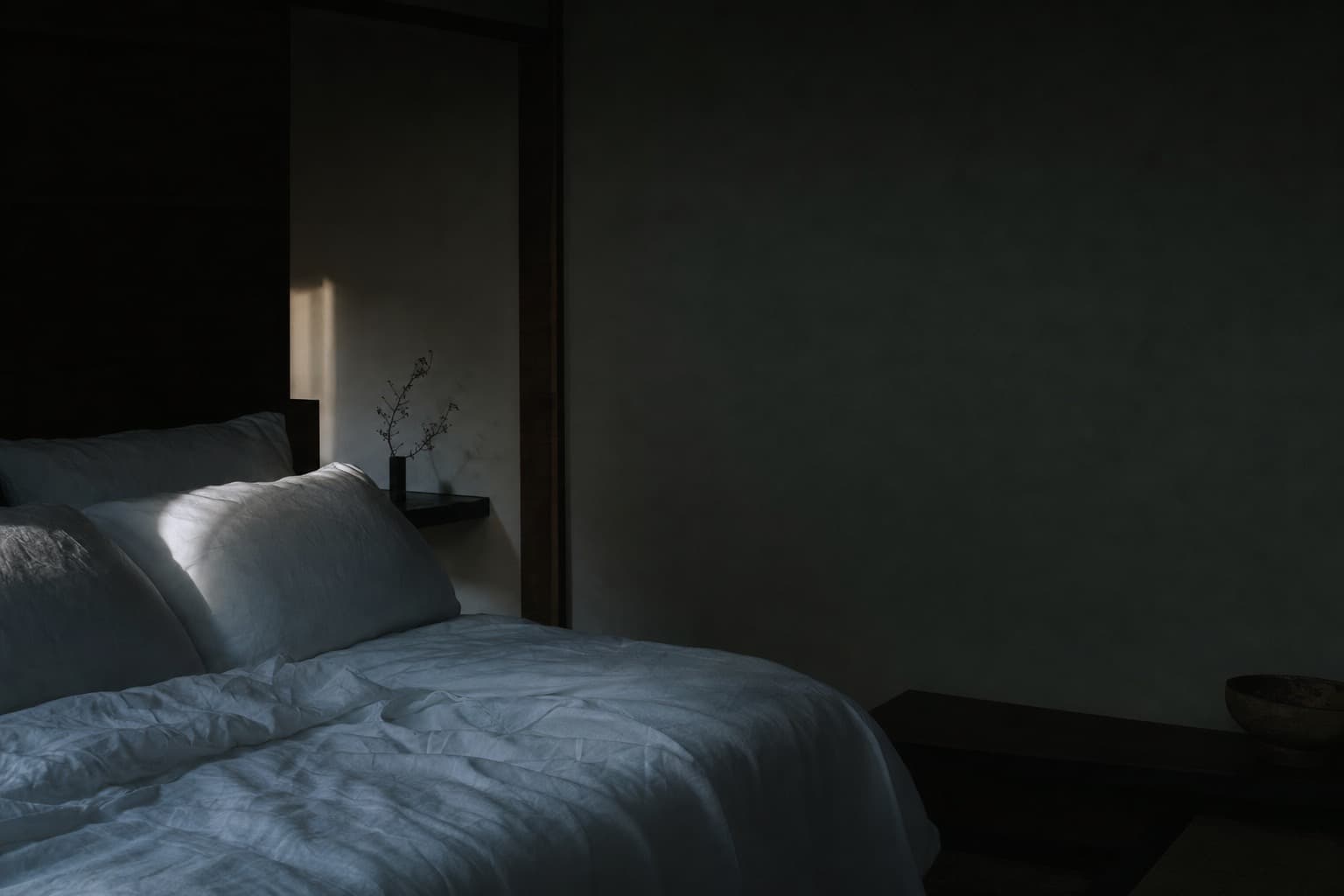
Sleepmaxxing 101: How the World Stopped Guessing and Started Optimizing Sleep
Sleepmaxxing has topped 80M views on TikTok. Here's the science of optimizing sleep—seen from Japan, where people sleep the least in the developed world.
Read more →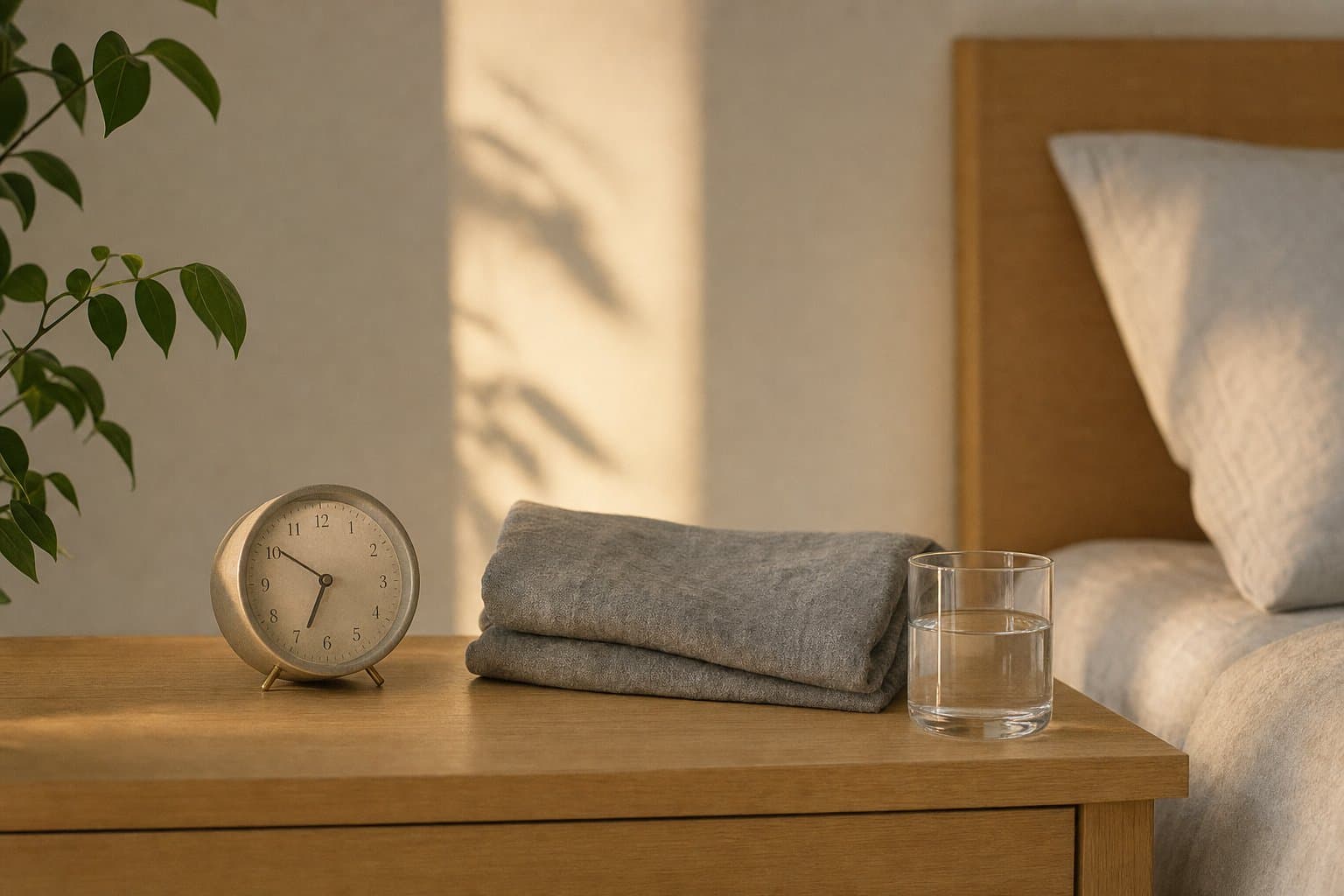
How Much Sleep Do You Need by Age? Japan's Official Answer
Japan's health ministry sets sleep targets by age. Here's how to turn those numbers into your own schedule.
Read more →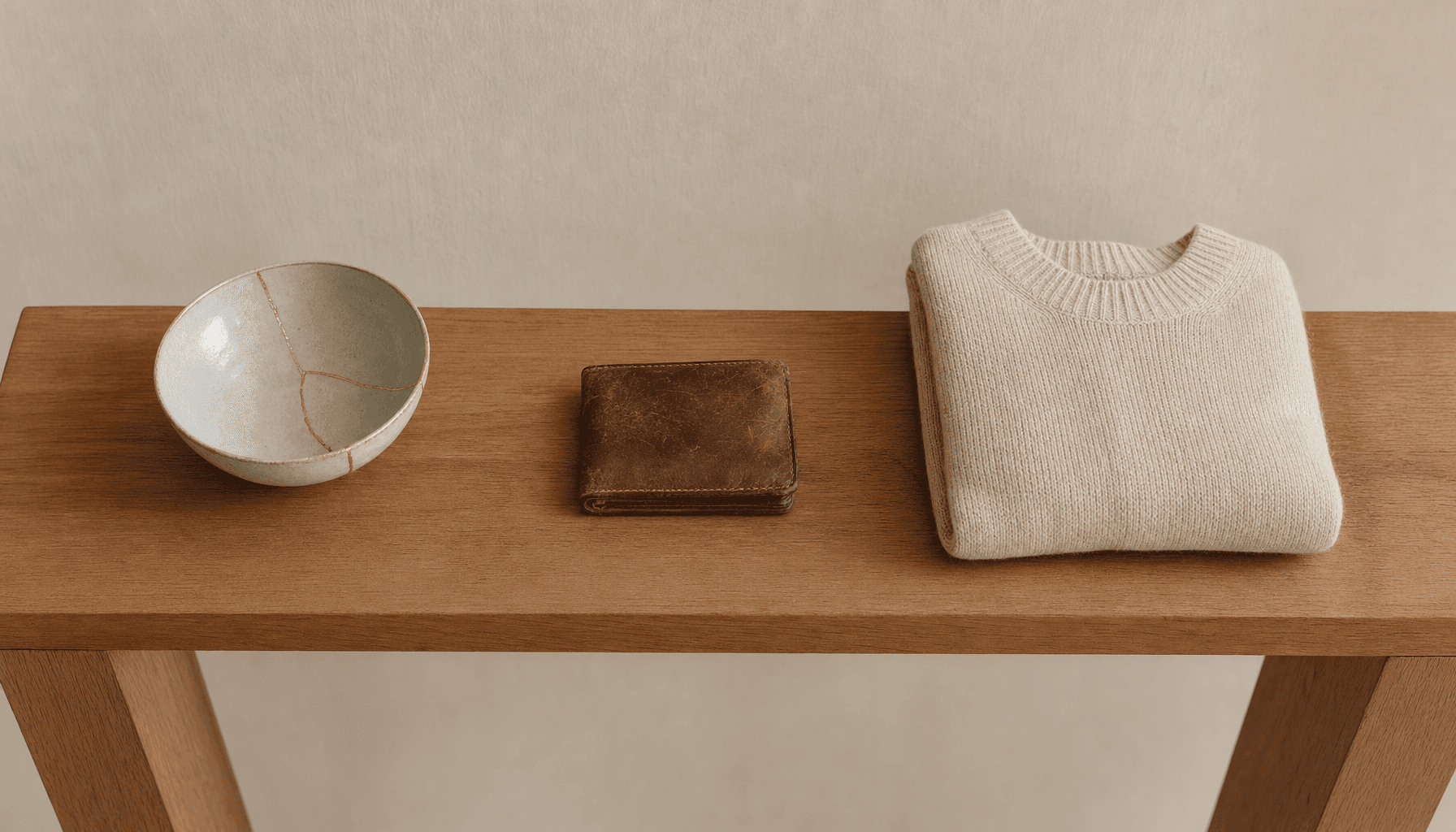
Underconsumption Core: Why Buying Less Is the New Flex
TikTok's #underconsumptioncore hits 230M views. The new flex? Buying less—and Japan's been doing it forever.
Read more →