
A Field Guide to Global Beauty Trends: From Slow Aging to Quiet Luxury
Slow Aging, Quiet Luxury — a single map of global beauty trends. Not the buzzy ingredients or brands, but the shift in beauty values behind them, read through data.
 By Jiwoo SeoSocial Media / Beauty & Skincare·2026.07.17 published·2026.09.06 updated·7 min read·2 sources
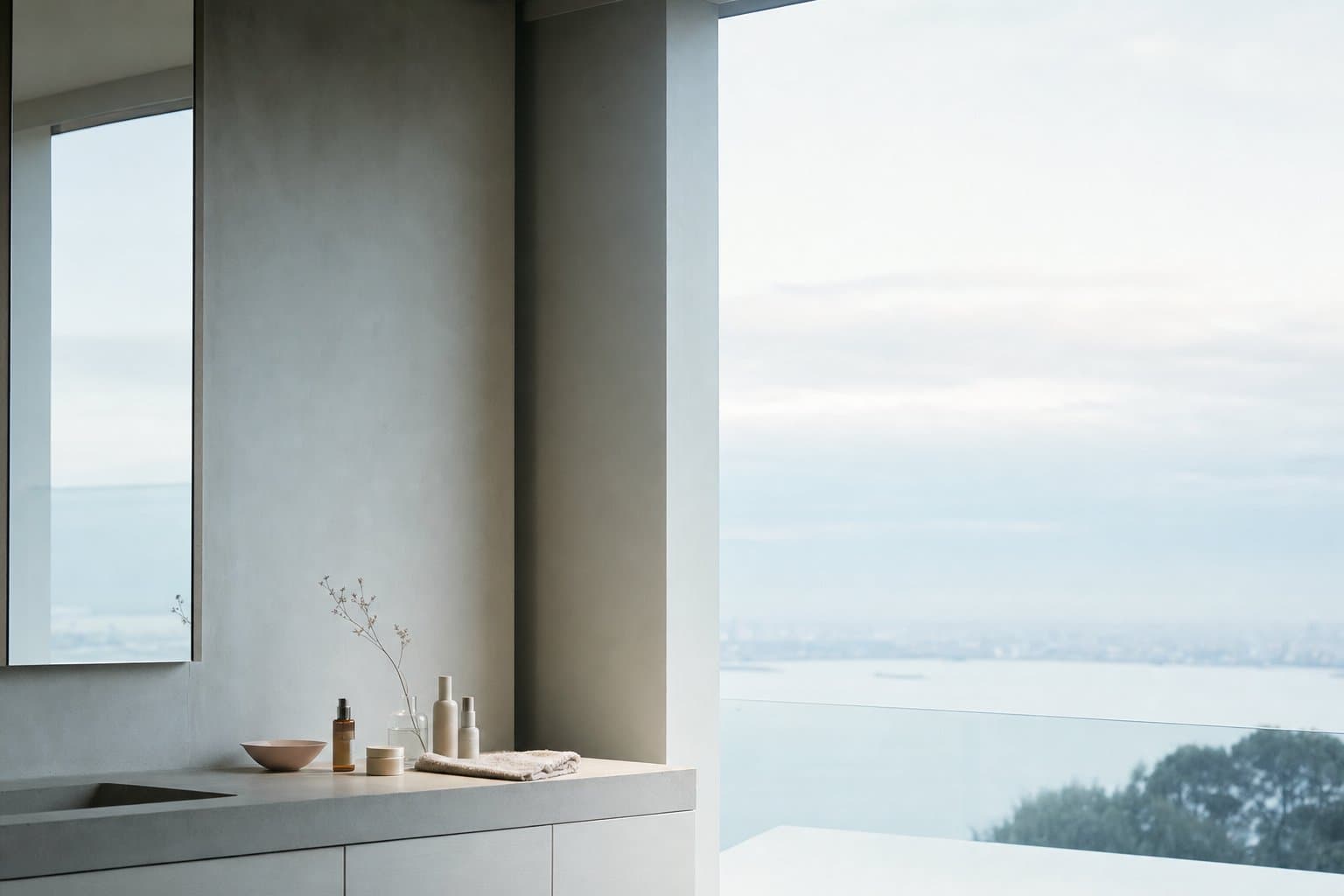
The beauty era of just buy this one thing and you will be transformed is being quietly re-examined. Chasing one viral product after another until the shelf overflows — people worn out by that kind of additive beauty have begun moving in a different direction overseas. A mindset that does not reject aging itself, but seeks to slow the pace of change.
A set of values that prizes essential quality and the condition of the skin over logos and flash. These look scattered, but they are connected by one shift: beauty moving from consumption to design. Most of what gets filed under beauty trends 2026 or skincare trends 2026 is, once you strip away the product names, another way of describing that same movement in values.
Which is why holding one map beats memorising a list of keywords. If you can tell which current actually touches your own concern — and which one has nothing to do with you right now — the time you spend deciding what to buy next, or whether to buy at all, drops sharply. This article gathers the global beauty trends Tokyo Decoded has decoded — mapping not the buzzy ingredient names or brands, but the shift in beauty values beneath them.
What are global beauty trends in 2026?
Global beauty trends, in one line, describe a shift in where value sits: from what you buy to how you accumulate. Two currents lead. The first is Korea's Slow Aging (저속노화) — the idea of slowing the pace of aging itself through daily habits, sleep, diet and sun protection, while you are still young.
The second is Quiet Luxury, which spread from fashion into beauty: a set of values that avoids logos and excess ornament, signalling worth through texture and craftsmanship. Take the first. The Korea Herald, in From fad to lifestyle: Slow-aging diet gains momentum among young Koreans, reports that slow aging is moving from passing fad to lifestyle among younger Koreans.
The detail worth noticing is where the story sits — it is filed under food and daily life, not under cosmetics. On Korea's Olive Young rankings, attention continues to flow toward items that strengthen the skin's foundation rather than aggressive, additive routines. That is why anyone tracking Korean beauty trends by collecting ingredient names alone tends to miss the actual point.
As for Quiet Luxury, the current that Lyst made visible on the fashion side in The Lyst Index: Fashion's Hottest Brands and Products Q2 2023 has carried across into skincare, where well-kept bare skin is increasingly favoured over flashy and photogenic. It helps to place this in a Japanese context too. Japanese shelves have long carried an unusually deep layer of basic skincare, and cleanliness has always been the baseline rather than the goal.
So for readers here, these trends arrive less as imports than as familiar habits handed back with a name attached — which is genuinely useful, because a habit with a name is a habit you can decide about. The shared backdrop: information overload, fatigue with being sold to, and a return to choosing only what is truly needed — and keeping it for the long run.
Why long-term habits beat quick fixes
The spine running through these trends is a shift from short-term effect-competition to long-term accumulation — and there is a mechanism behind why that makes sense. Skin condition is not a fixed value set by one treatment or one product. It is the running balance of daily inputs — sleep, diet, sun exposure, friction, cleansing — against recovery.
Land one dramatic intervention and then reapply the same load tomorrow, and the ledger returns to roughly where it started. Lower the load itself and hold it, and the same number of days lands somewhere else. That is why slow aging is discussed in the vocabulary of habits rather than of cosmetics: editing the input side is simply the more efficient lever.
Quiet Luxury has a parallel logic. The more products in rotation, the harder it becomes to tell which one helped, which one irritated, and which one did nothing at all. Cutting the count is partly an aesthetic gesture, but it is also plain diagnostics — fewer variables, readable results. One common misreading is worth clearing up.
Slow aging does not mean doing nothing, or simply owning less skincare. It is not about abandoning every active and leaving the skin alone; it is about re-engineering the balance of load and recovery from a sprint into a long run. Anything worth sustaining — sun protection above all — gets more attention under this framing, not less.
And the reason it lands in Japan is that the underlying idea was never really an import: a sensibility that favours cleanliness and the healthiness of bare skin over heavy adornment, and the wabi-sabi heart that, like kintsugi mending broken ceramics with gold, finds value in the accumulation of time itself. A note: there are no absolutes in beauty. Skin and constitution differ from person to person, results are felt differently by different people, and trends are only options for how to think. Confirm anything that interests you gradually, on your own skin, and consult a dermatologist if you have concerns.
How to start: 5 ways to rethink your routine
Where do you most want to rethink things? Here is a map by type, with frequency and stopping points included. ① If you are worn out from constantly replacing products → Quiet Luxury. Pause new purchases for a set stretch and finish what you own. Sort the shelf into three piles — used daily, used occasionally, untouched for six months — and retire the last pile from the rotation.
The fewer variables in play, the faster you can tell what suits you. ② If you want to get ahead of aging while young → Slow Aging. Foundation over dramatic fixes: hold just three things — sleep, diet, and daytime sun protection — for two weeks before adding anything else. Change several things at once and you will never learn which one mattered.
One change at a time is the rule.
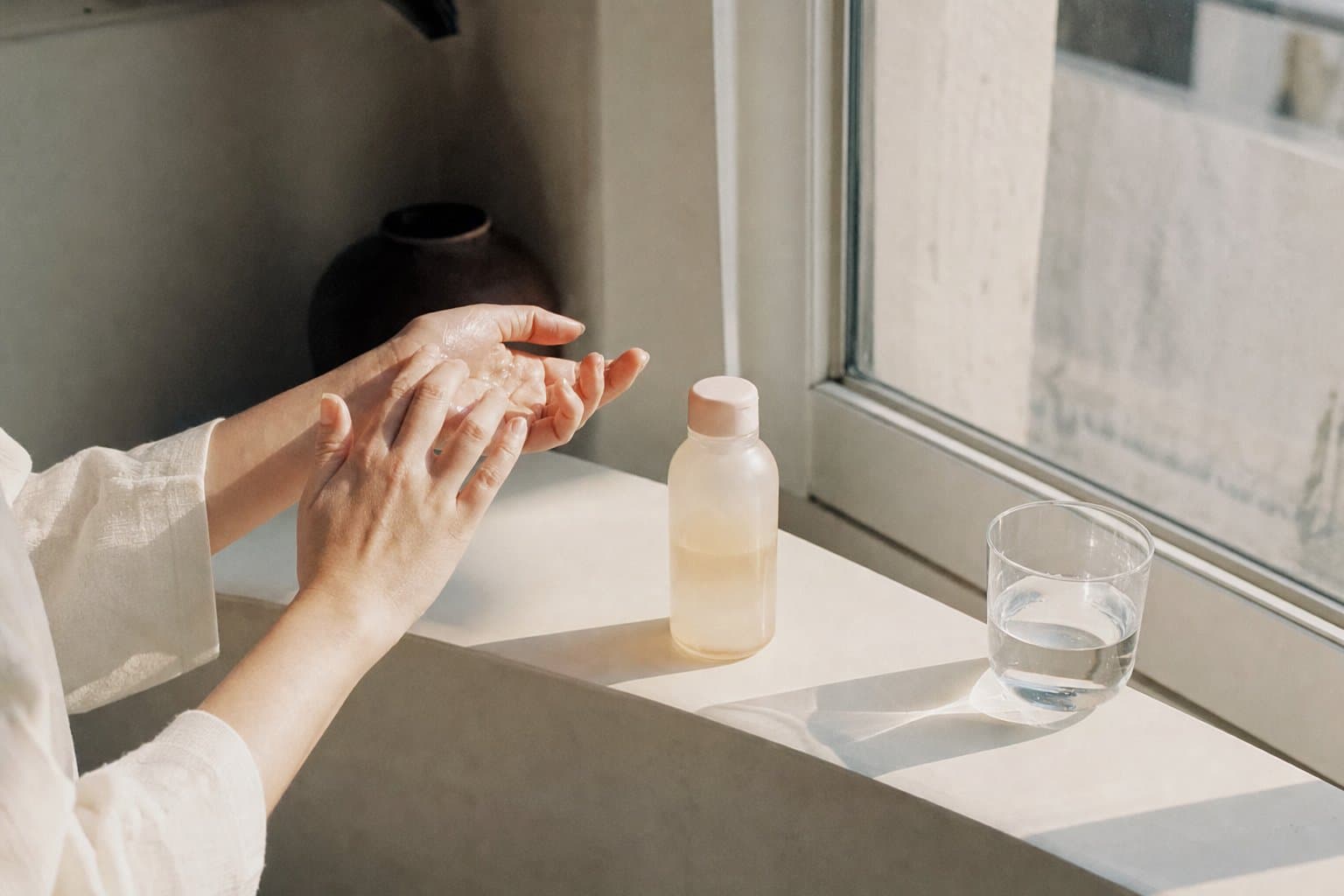
- If you moisturise and still feel dry → the issue may be order rather than volume, which is the point of layering toner in two or three passes instead of one heavy application.
- If you are curious about skin cycling: the idea is to run higher-activity care on a multi-day cycle rather than every night, with deliberate rest days in between. If your skin stings or tightens on a given day, do not defend the schedule — add rest days instead. That reaction is your stopping signal.
- If you do not know what to choose → start with how to read ingredients and rankings.
Overseas reviews and sales charts reflect that country's climate, water and daily habits. Read them against your own concerns rather than taking them at face value. When something is not working, the triage is simple: (a) remove the newest addition, one at a time; (b) reduce cleansing strength and friction; (c) if it still does not settle, resist adding another active on your own judgement.
Stop use entirely if you see clear irritation — stinging, itching, swelling — and see a dermatologist. Not asking over-the-counter skincare to stand in for treatment is itself part of keeping a routine sustainable. Results are felt differently by different people.
The takeaway: discern rather than add
Beauty trends will keep emerging around the world. Whatever vocabulary 2026 settles on, the answer to not being pulled around by it stays simple: discern rather than add, and favour habits you can sustain over short-term effects. What slow aging offers is the leverage of editing your daily inputs. What Quiet Luxury offers is the practical gain of running fewer variables, so your own skin becomes readable to you.
Neither promises that something changes dramatically by tomorrow — which is exactly why both are worth translating into a form you can actually keep. The first step can be small. Tonight, sorting what you own into used daily, used occasionally and untouched for six months is enough to bring the shape of your routine into focus.
From there, move to the trend article that caught your eye and rethink just one part of your current care. And if you want to learn the world's next new normal in beauty before it arrives, subscribe to Tokyo Decoded's free trend digest by email — an even-handed view, delivered before it lands in Japan.
FAQ
What is slow aging, and why is it popular in Korea?
Slow aging (저속노화) is the idea of slowing the pace of aging itself by shaping daily habits — sleep, diet, sun protection — while you are still young. The Korea Herald reports that it is moving from passing fad to lifestyle among younger Koreans. What distinguishes it is where the conversation sits: in food and daily life rather than in cosmetics, so the emphasis falls on changing inputs rather than buying a particular product. How results are felt varies from person to person.
What is skin cycling?
Skin cycling means running higher-activity care on a multi-day rotation rather than every night, with deliberate rest days in between. The aim is to balance load against recovery. It suits people who want to avoid consecutive nights of irritation — but keeping the schedule is not the goal in itself. If your skin stings or feels dry on a given day, add rest days. The workable frequency differs by skin type; stop use and see a dermatologist if anything looks abnormal.
Which ingredients are at the centre of 2026 skincare trends?
No single ingredient can honestly be named as the centre. What the current trends share is a move away from ingredient novelty toward strengthening the skin's foundation and narrowing what you use. On Korea's Olive Young rankings, attention continues to flow toward foundation-building items rather than aggressive additive routines. Ingredients are chosen against your own concerns and tolerance — a high chart position does not mean a match for your skin. If you are unsure, consult a professional.
How does Quiet Luxury relate to beauty?
It began in fashion — a set of values, made visible in the Lyst index, that avoids logos and excess ornament and signals worth through texture and craftsmanship. Carried into skincare, it favours well-kept bare skin over flashy and photogenic. There is a practical upside too: the fewer products in rotation, the easier it becomes to tell which one suited you and which did not. It is not about buying expensive things, but about keeping what you have genuinely chosen for the long run.
I moisturise but still feel dry. What should I rethink?
The missing piece may be order rather than volume. Instead of one heavy application, layering toner across two or three passes is a widely discussed approach. Also review how strong your cleansing is and how much friction you apply when wiping. Change one thing at a time so you can always tell what moved the needle. If it does not settle, or if you feel stinging or itching, do not add more actives on your own judgement — see a dermatologist.
How do I judge what I actually need instead of chasing trends?
Start by sorting what you own into used daily, used occasionally and untouched for six months, then retire that last pile. Next, add only one new thing at a time and give it about two weeks before judging. Those two habits alone make your own skin far more readable. Overseas rankings reflect another country's climate and daily habits, so treat them as reference and read them against your own concerns. When you cannot decide, ask a professional rather than guessing.
About this article
This article was written by Jiwoo Seo (Social Media / Beauty & Skincare) of the Tokyo Decoded editorial team, with sources and facts checked by the team. We keep editorial independence from advertisers. See our editorial policy.
Sources
Related
Slow Aging: The Korean Beauty Shift From Fighting Age to Aging Gracefully
Slow Aging is a beauty mindset from Korea and China: not fighting age, but slowing its pace. We unpack the idea—and the sleep, food, and sun-care habits behind it—through Japan's everyday wisdom.
Read more →
Skin Flooding: The K-Beauty Layering Method for Dehydrated Skin
How Skin Flooding — the K-beauty hydration layering method — translates for Japan's dry-season skincare.
Read more →
After-Sun Care in Japan: What to Do in the First 72 Hours
The first 72 hours after sunburn matter most. Here's how to cool, hydrate, and protect—step by step.
Read more →