
Quiet Luxury: Why the Most Expensive Aesthetic Has Nothing to Prove
No logos. No bold colors. No brand signaling. TikTok's #quietluxury crossed 200M views — and Muji has been doing it for decades. Japan got here first.
 By Jiwoo SeoSocial Media / Beauty & Skincare·2026.06.08 published·2026.09.06 updated·7 min read·1 sources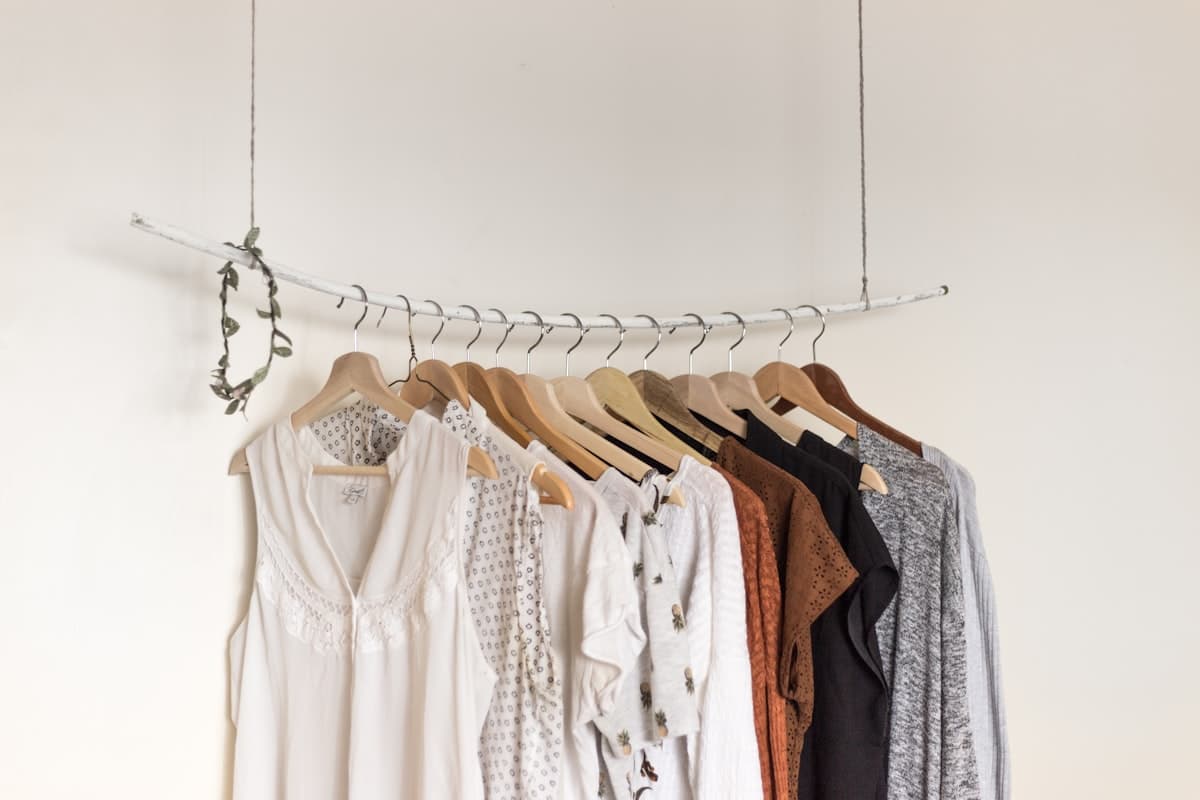
The most expensive-looking thing in the 2024 fashion and beauty landscape has nothing written on it. Quiet Luxury — also called the old money aesthetic — dominated TikTok, runway commentary, and style journalism through 2023 and into 2024. The hashtag #quietluxury crossed 200 million TikTok views. The cultural reference point everyone cites: the Succession characters, dressed in pieces that looked deliberately unremarkable and cost a fortune.
But the idea is not simply a celebration of expensive things. Removing the logo is also a decision to stop explaining yourself with a price tag — to let fabric, cut, and proportion carry the message instead of a monogram. What is notable from a Japanese vantage point is the timing. The design ethic behind Muji and the core positioning of Uniqlo have been sitting on almost exactly this philosophy for decades, without ever branding it as a trend.
Japan arrived first and simply did not name it. This piece walks through the whole question in order: what Quiet Luxury actually means, where the term came from, how to recognise the brands and garments associated with it, why the aesthetic maps so cleanly onto Japanese craft thinking, how it translates for menswear, and what you can realistically do with the wardrobe you already own.
What is Quiet Luxury? The definition and the 200M-view surge
Quiet Luxury is, at its simplest, a style logic in which value is communicated through material, construction, and silhouette rather than through visible branding. In Japanese it is usually rendered as shizukana zeitaku — quiet extravagance. Three practical markers define it: the brand cannot be identified from across a room; the palette stays in black, white, beige, camel, and other base tones; and the materials are things that reward maintenance, such as cashmere, wool, cotton, and leather. The dividing line is not price. It is what the garment is claiming.
The term crystallised in spring 2023 as a backlash against hype-beast culture — limited drops, logo maximalism, brand collaborations traded as cultural currency. Brands positioned around no-logo quality, including The Row, Loro Piana, and Brunello Cucinelli, saw dramatic surges in demand among younger wealthy shoppers. TikTok's #quietluxury crossed 200 million views in 2023 alone.
Lyst's report, The Lyst Index: Fashion's Hottest Brands and Products Q2 2023, named Loro Piana a breakout brand on the strength of a search surge, and recorded The Row's flip flops and a Loro Piana cap entering the Hottest Products ranking. Searches for logoless, neutral tones, and cashmere climbed alongside them.
The Japanese side of the story matters just as much. Muji's international revenue hit record highs in 2024, tracking in near-perfect alignment with the global rise of Quiet Luxury values. Read together, these signals suggest something more durable than a hashtag cycle. A wardrobe philosophy that had been operating quietly in Japanese retail for decades suddenly acquired an English-language vocabulary, a set of reference brands, and a global audience willing to pay attention to it. The trend did not arrive in Japan. It arrived at Japan's position from the other direction.
Why it resonates now: influencer fatigue and Japan's Mingei
Why does this aesthetic land now? Three mechanisms are working at once.
The first is influencer fatigue. Instagram and TikTok spent more than a decade accelerating visible consumption. Legible signals — an oversized logo, a limited colourway, a silhouette that belongs to one season — perform extremely well inside a feed. But once a signal saturates, it stops distinguishing anyone. The response is a move toward signals only certain people can read. This is signalling inversion in the plainest sense: a marker anyone can copy stops carrying information.
The second is quality rationalism. When prices are rising, choosing one well-made item and keeping it can, in some cases, cost less over time than repeatedly replacing cheaper versions of the same thing. This is closer to arithmetic than sentiment. It is worth being honest about the limits, though: expensive does not automatically mean durable. Fabric, construction, and your own maintenance habits decide the outcome, and results vary from person to person and garment to garment.
The third is identity decoupling from branding. The self-description shifts from someone who wears a particular label to someone with a particular taste. A brand is a borrowed explanation; a preference is one you own.
One misconception deserves to be dismantled. Quiet Luxury is not the same as quietly buying luxury brands. If it were, it would simply be conspicuous consumption with the logo removed — the same behaviour wearing a subtler costume. The core of the aesthetic is not a price bracket. It is relocating the criterion for choosing from external validation to internal judgement, which is why it can be practised at almost any budget.
That is precisely where the Japanese context becomes substantive. The principle of simple, good things used for a long time is the organising idea behind the Mingei movement — Yanagi Soetsu's argument for the beauty of anonymous, everyday craft — as well as Muji's design ethic and Uniqlo's core positioning. The world is catching up to a vocabulary Japan has held for a long time.
How to start Quiet Luxury: 4 practices, menswear included
Start with the wardrobe you already have, not with a shopping list.
① Invest in material, not design. Instead of chasing seasonal silhouettes or trend colours, move your budget toward excellent fabric basics: a 100% cotton white shirt, well-made denim, cashmere-blend knitwear. The test to apply before buying is whether the version of you five years from now would choose it for the same reason. Getting into the habit of reading the fibre content on the label and checking the inside seams lets you judge quality without relying on the price tag.
② Remove wardrobe noise. Honestly release anything you are keeping because you might wear it next month. A workable procedure: sort everything into three piles — worn this month, worn this season, not worn in a year. The third pile is what makes the whole closet hard to see. If you cannot decide, box that pile and hold it for one month; whatever you never reached for goes. Twice a year, at the change of seasons, is enough.
③ Make care a habit. Quality materials respond to maintenance. Rest leather shoes with shoe trees, hand-wash knitwear or follow the care label, iron cotton shirts. As a rough rhythm, washing knitwear a few times per season and resting shoes the day after wearing them is a reasonable starting point. Be aware that improvised care can backfire on delicate materials — when in doubt, ask a cleaner or the retailer rather than experimenting.
④ For menswear, start with silhouette. For men, narrowing the palette alone often produces little visible change. Aligning three things — shoulder width, body length, and how the trouser hem breaks — tends to do more. Even off-the-rack pieces shift dramatically with hemming and sleeve adjustment alone.
If it is not working, diagnose it this way. If the result reads as drab rather than quiet, the material likely lacks surface texture or sheen. If pieces look mismatched, the culprit is usually fit rather than colour. If you get bored quickly, that is a signal you were still choosing by outside approval instead of your own preference. Outcomes vary from person to person.
The takeaway: choose by material and silhouette
Quiet Luxury is not about quietly buying expensive things. It is about relocating the criterion for choosing — from outside approval to your own judgement. Take the logo away and what remains is material, silhouette, and the habit of caring for what you own. That is exactly why it can be started at any budget.
If you want the philosophy behind it from a Japanese perspective, Yanagi Soetsu's The Unknown Craftsman is the foundational text: a century-old argument for the beauty of anonymous, well-made objects, and a surprisingly direct ancestor of the current conversation. If you would rather start from method, Anuschka Rees' The Curated Closet offers a structured approach to building a wardrobe around your own preferences rather than trends.
The first step takes an afternoon. Open your closet and sort what you own into two groups: things chosen for their logo, and things chosen for their material or silhouette. The useful question is not which pile is bigger. It is which single item in the second pile you actually reach for most often. That garment is your personal benchmark for what quiet luxury means — everything else can be measured against it.
FAQ
What does Quiet Luxury actually mean?
It refers to a style that avoids visible logos and brand signalling, communicating value through material, construction, and silhouette instead. In Japanese it is called shizukana zeitaku, or quiet extravagance. Three markers help you recognise it: the brand cannot be identified from a distance, the palette stays in base tones, and the materials reward maintenance. The dividing line is not how expensive something is, but what the garment is claiming.
Which brands are associated with Quiet Luxury?
The names that come up most often in the global conversation are The Row, Loro Piana, and Brunello Cucinelli — brands positioned around no-logo quality. Lyst's Q2 2023 index named Loro Piana a breakout brand, and listed The Row's flip flops and a Loro Piana cap among its Hottest Products. That said, collecting the right brand names is not the point. The criterion you use when choosing is the substance of the idea.
How does Quiet Luxury translate in Japan?
Japan already holds a close version of this value set. Yanagi Soetsu's Mingei philosophy, Muji's design ethic, and Uniqlo's core positioning all rest on the idea of simple, good things used for a long time. Muji's international revenue hit record highs in 2024, moving in step with the global trend. Rather than treating Quiet Luxury as an imported style, the practical entry point is to re-examine the materials and the care routine of the basics you already own.
Is buying logoless brands enough to make it Quiet Luxury?
Removing the logo is one condition, but it is not sufficient on its own. If the practice amounts to quietly buying luxury brands, it is simply conspicuous consumption with the branding hidden. The substance lies in shifting the criterion for choosing from other people's approval to your own judgement. That is why it works at any budget, and why caring properly for basics you already own is a legitimate starting point.
Where should men start with Quiet Luxury?
For men, narrowing the colour palette alone often produces little visible difference, so silhouette is the more efficient entry point. Aligning shoulder width, body length, and how the trouser hem breaks changes the impression significantly, and off-the-rack pieces get most of the way there with hemming and sleeve adjustment. Build around materials that reward maintenance — cashmere, wool, cotton, leather. Fit varies from person to person, so asking in store is the reliable route.
How often should I edit my wardrobe?
Twice a year, at the change of seasons, is generally enough. The procedure is to sort everything into three piles: worn this month, worn this season, and not worn in a year. The third pile is what makes decisions hard. For anything you cannot decide on, box it and hold it for one month, then release whatever you never reached for. That removes most of the emotion from the call, and there is no need to finish the whole thing in a single day.
About this article
This article was written by Jiwoo Seo (Social Media / Beauty & Skincare) of the Tokyo Decoded editorial team, with sources and facts checked by the team. We keep editorial independence from advertisers. See our editorial policy.
Sources
Related
A Field Guide to Global Beauty Trends: From Slow Aging to Quiet Luxury
Slow Aging, Quiet Luxury — a single map of global beauty trends. Not the buzzy ingredients or brands, but the shift in beauty values behind them, read through data.
Read more →
Slow Aging: The Korean Beauty Shift From Fighting Age to Aging Gracefully
Slow Aging is a beauty mindset from Korea and China: not fighting age, but slowing its pace. We unpack the idea—and the sleep, food, and sun-care habits behind it—through Japan's everyday wisdom.
Read more →
What Is Moneymaxxing? Optimizing Options, Not Just Balances
Moneymaxxing isn't about growing the number. It's about widening the options your existing money can buy.
Read more →