
How to Choose a Humidifier: Comparing 4 Types for Autumn
The right humidifier starts with the type. Compare steam, evaporative, ultrasonic and hybrid.
 By Sofia ReyesDesigner / Lifestyle & Comparison Guides·2026.09.07 published·2026.09.07 updated·3 min read·1 sources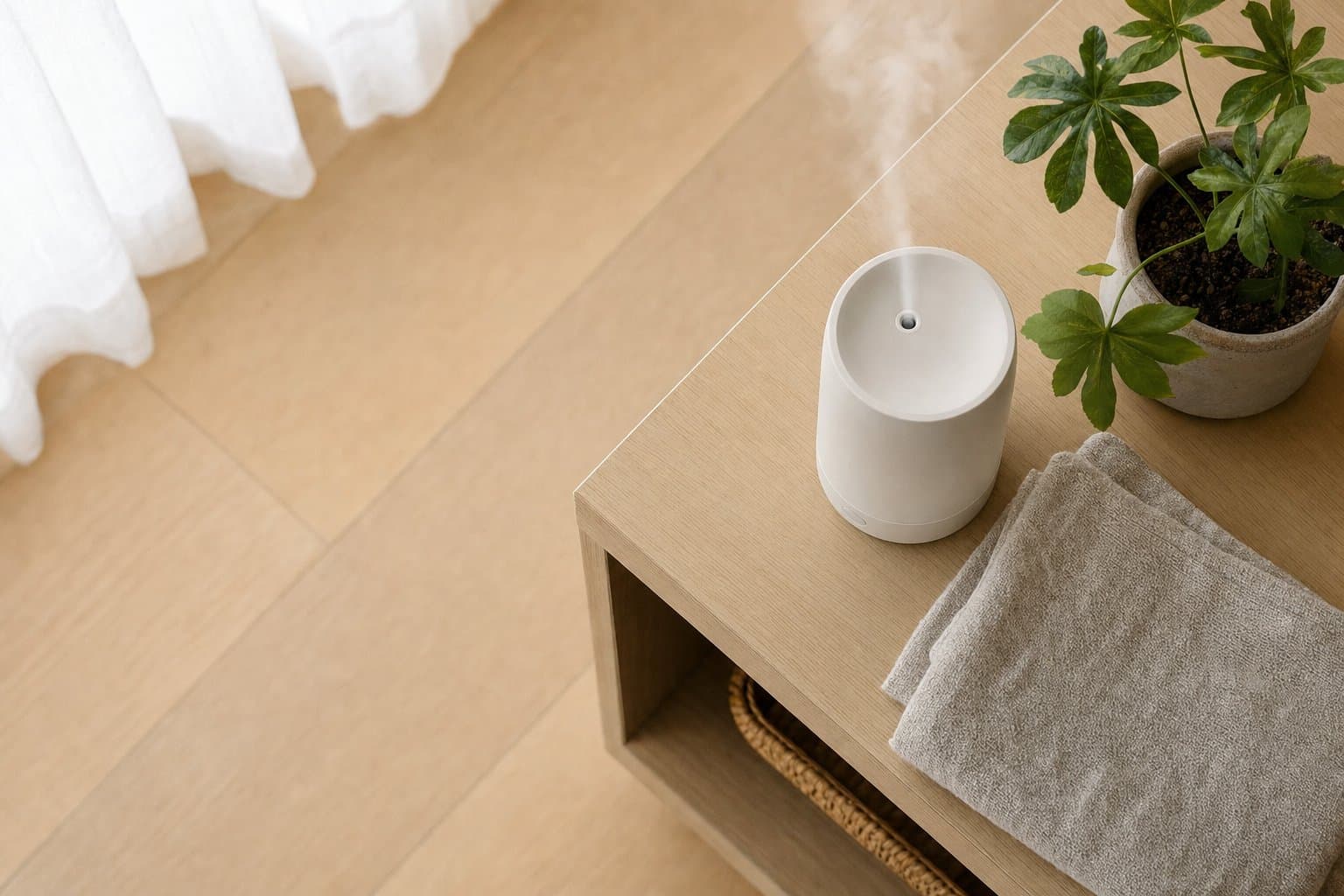
Autumn skin prep starts with your room's humidity, not your toner. No matter how carefully you layer moisturizer, dry indoor air will pull that water right back out. So think of a humidifier as the air-side counterpart to your skincare routine. The trouble is, the shelves at your local electronics store are a blur of steam, evaporative, ultrasonic and hybrid units at wildly different prices. In this guide, we compared the four main humidifier types from public product specs so you can pick the one that fits your room, your habits, and how much upkeep you actually want to do.
Why humidifiers are booming: a $7B market by 2035
The global humidifier market is projected to grow from USD 3.81 billion in 2025 to USD 7.08 billion by 2035, a 6.4% CAGR (Future Market Insights and related industry data). Residential units already make up 61.5% of that market. The driver is a broader awareness that indoor humidity affects real, measurable things — dry skin, respiratory comfort, and static electricity in winter.
Japan feels this sharply: heaters plus a naturally dry winter climate mean search demand for "how to choose a humidifier" spikes every autumn. Starting the comparison in September, before the driest months hit, is simply the calmest time to shop.
Why the humidifier type decides everything else
Humidifier shopping feels confusing because the type — not the price or the shape — quietly decides everything else. Comparing publicly listed specs across brands, four clear personalities emerge.
**Steam**: boils water into vapor. Strong output, hygienic thanks to the heat. But it draws more power and the outlet can get hot, so placement matters if you have kids.
**Evaporative**: a fan pushes air through a wet wick. Low running cost, no hot surfaces, gentle output. The wick needs regular replacement.
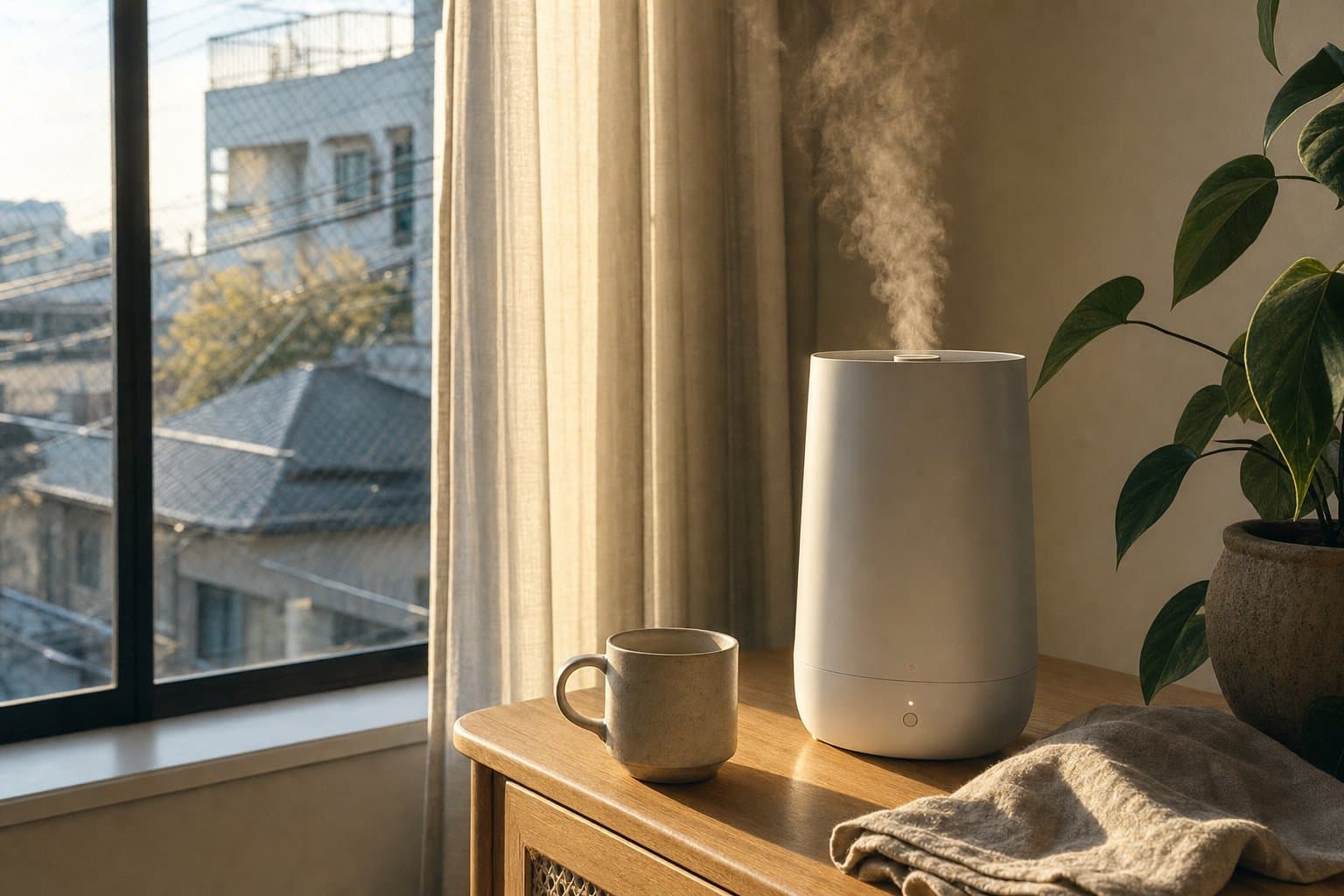
**Ultrasonic**: vibrates water into a fine mist. Quiet, energy-efficient, design-forward — a favorite for small apartments. The catch is well documented by public health agencies: if the tank and transducer aren't cleaned, bacteria and mineral dust ride the mist into the room. Daily water changes and frequent cleaning are non-negotiable.
**Hybrid**: heat + evaporative, or heat + ultrasonic. Balances output and hygiene, ideal for living rooms, but priced higher.
How to choose a humidifier: a 5-step method
① **Measure the room.** Wood-frame and steel-frame Japanese rooms have different coverage ratings — always check both numbers on the spec sheet. Going one size up means quieter operation.
② **Narrow the type.** For a quiet bedroom, evaporative or ultrasonic. For output and easy cleaning, steam. For a balanced living room, hybrid. This matches how the public specs line up.
③ **Check cleanability.** Wide tank opening, dishwasher-safe parts, filter replacement cost and cadence. Zojirushi's steam models (EE-DD series) are known for a fluorine-coated interior that wipes clean with citric acid.
④ **Balance power and output.** For efficiency, Panasonic's evaporative FE-KXT series is a common pick. For strong output in a large room, Dainichi's HD hybrid series is a common reference.
⑤ **Confirm you can maintain it.** If you choose ultrasonic, be honest about daily water changes and weekly interior cleaning. If that feels unrealistic, lean steam or hybrid.
The takeaway: type and upkeep decide the humidifier
The answer is simple: size for the room, type for your lifestyle, and confirm with maintenance you'll actually do. In that order, the store shelf stops being overwhelming. The Zojirushi steam, Panasonic evaporative, and Dainichi hybrid lines referenced above all have detailed public specs and reviews you can compare below. Deciding in September, before the driest weeks hit in November, means your skin and throat feel the difference all winter — the air side of moisture, working alongside your skincare.
About this article
This article was written by Sofia Reyes (Designer / Lifestyle & Comparison Guides) of the Tokyo Decoded editorial team, with sources and facts checked by the team. We keep editorial independence from advertisers. See our editorial policy.
Sources
Related
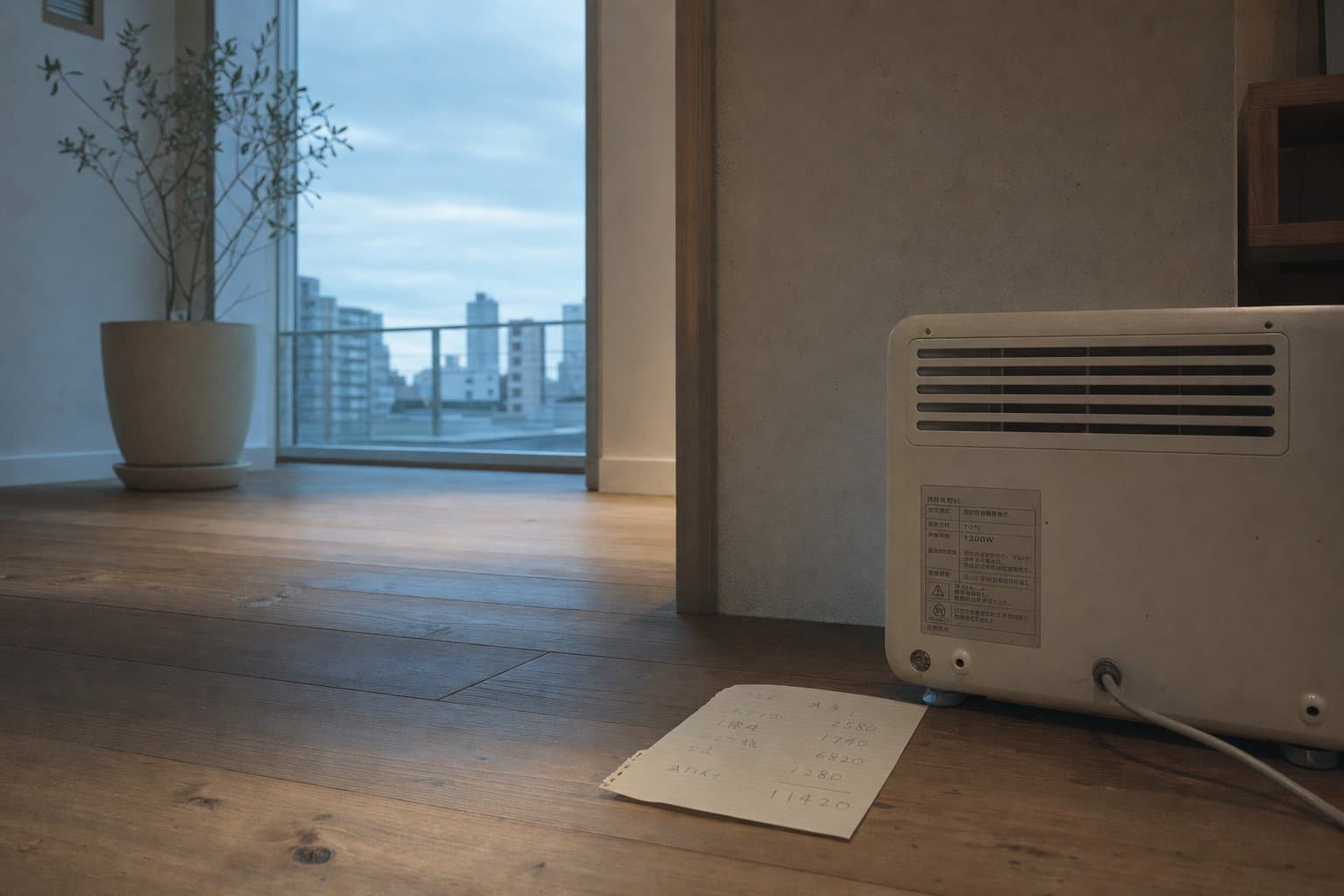
Heating Cost in Japan: The One Formula That Prices Every Heater
Heating cost in Japan comes down to one formula: watts ÷ 1000 × hours × 31 yen. Here's how to price your own heater.
Read more →
Ragweed Season in Japan: Why Your September Cold Won't Go Away
A September cold that lingers may be autumn pollen. What Japan's ragweed season is, and how to handle it at home.
Read more →
Mattress for Back Pain: How to Rethink Where You Sleep 8 Hours
Back pain tops Japan's health complaints. A practical guide to choosing a mattress by firmness, pressure distribution, and breathability.
Read more →