
Articles
Global-to-Japan trends, decoded with data and sources. 47 articles.
Results for “global trends”: 6Clear search
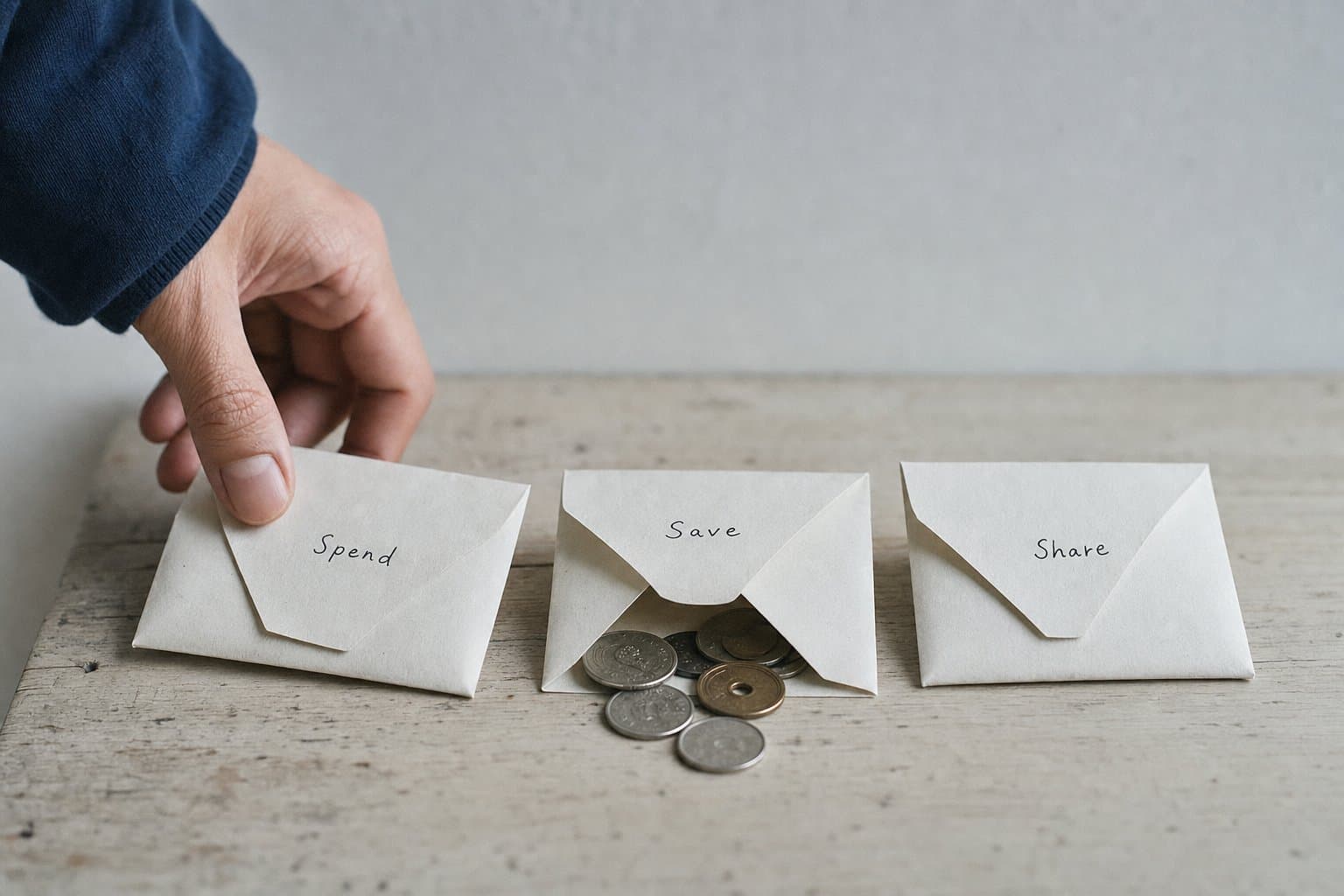
What Is Moneymaxxing? Optimizing Options, Not Just Balances
Moneymaxxing isn't about growing the number. It's about widening the options your existing money can buy.
Read more →
The 2026 Guide to Global Money Trends: From Loud Budgeting to Cash Stuffing
Loud Budgeting, Soft Saving, Cash Stuffing — a single map of the money trends born overseas. Which one fits you, and how to actually practice it in Japan.
Read more →
Soft Saving: Why 73% of Gen Z Prioritize Today Over Retirement
73% of US Gen Z say today's quality of life beats retirement savings, per Intuit. Meet Soft Saving—frugality that doesn't sacrifice you—seen through Japan's saving traditions.
Read more →
Loud Budgeting: The US Trend Changing How We Talk About Money
Loud Budgeting has topped 140M views on TikTok. The new flex is saying 'I'm saving' out loud. Here's the data behind it—and how to practice it from Japan.
Read more →
Cash Stuffing: The TikTok Budget Trend That Japan Invented Decades Ago
Cash Stuffing has 500M TikTok views. Japan's been doing the same thing — called fukuro-wake kakeibo — for generations. Here's why it works.
Read more →
Deinfluencing: When TikTok Creators Became Famous for Telling You What Not to Buy
Influencers' job was always to make you buy things. Now the viral format is 'don't buy this.' TikTok's #deinfluencing crossed 500M views. Here's what it means for how we consume — and for the creator economy.
Read more →