
Flower Subscription: A Practical Comparison for Everyday Home Blooms
Flower subscriptions start from a few hundred yen. We compare mailbox, hand-delivery and volume plans to help you choose.
 By Sofia ReyesDesigner / Lifestyle & Comparison Guides·2026.09.02 published·2026.09.06 updated·7 min read·2 sources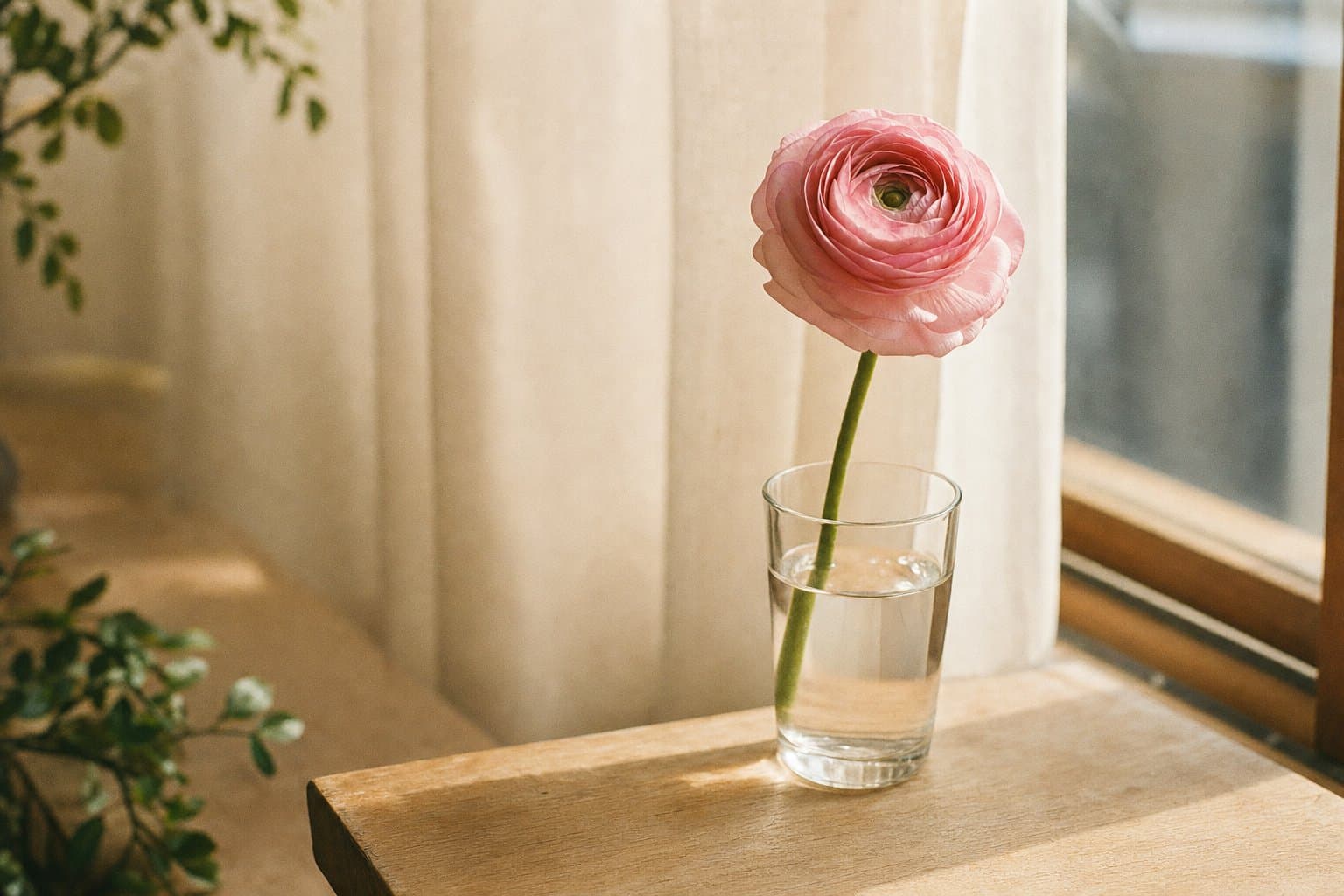
Most new flower subscribers never used to keep flowers at home. Not gifts, not special occasions—just a small bunch on a Tuesday morning. A quiet shift in how Japanese households live with flowers is happening, and it starts from just a few hundred yen a month. But the moment you start comparing services, the confusion sets in.
How does mailbox delivery actually differ from hand delivery? Is a single-stem plan too sparse to bother with? Will the cheapest plan leave you disappointed? Most comparison articles simply list brand names, which tells you nothing about which one fits your particular apartment, schedule and tolerance for upkeep.
This piece takes a different route: we organize publicly available information on equal terms and rebuild the decision around three axes—how it arrives, how much arrives, and how often. The goal is that by the end you can say, with some confidence, this is the format for me. You do not need a vase. You do not need a large room. You do not need to already be the kind of person who keeps flowers. Let's walk through how this door opens, one step at a time.
What is a flower subscription? A 952.3B yen market shift
A flower subscription is a recurring delivery in which a florist selects seasonal stems, wraps them, and sends them to your home on a fixed cadence. You give up the right to choose each stem; in exchange you get a lower price and, more importantly, an automated system that keeps flowers arriving without you remembering to buy them. That last part is the real difference from a one-off purchase at a shop.
Formats split into two families: bouquets that fit through a mail slot, and bouquets handed over by a courier. Price then scales by volume and frequency. Hold that structure in mind and every comparison chart suddenly becomes readable. Now the background. According to Yano Research Institute, Japan's floral retail market is projected at 952.3 billion yen in 2025 (98.7% year-on-year).
The overall market is slightly shrinking, but its composition is shifting. Flowers were long a gift category—bought for someone else, tied to weddings, funerals, anniversaries, and therefore tied to the calendar and the economy. In subscription services, however, roughly 80% of new users report they never kept flowers at home before.
This isn't a substitute for gifting; it's an entirely new home-use demand being cultivated, and it behaves differently because it answers to no occasion at all. The Japanese context matters here too. Userlike Inc. reported that Bloomee LIFE, described as Japan's first flower subscription service, grew rapidly in the three years after launch.
The wave of later entrants makes sense in that light: the home-use market had been shown to exist. Mailbox-delivery models fit single-person households especially well, since nobody has to be home, aligning naturally with the broader soft life sensibility. Flowers are perishable, but the delivery system is not—which is precisely why the subscription format suits them so well.
Why flower subscriptions resonate in Japanese homes
Three reasons. First, low friction: mailbox delivery removes the need to be home, fitting dual-income and single-person households. There is no redelivery slip, no watching the clock on the way back from work, no negotiating with a courier window. With something as perishable as cut flowers, a single day of delay measurably erodes satisfaction, so the absence of friction is not a nicety—it decides whether you stay subscribed past month two.
Second, low financial threshold: plans start from 500 to 1,000 yen a month, low enough for people who hesitated to buy a vase. People reliably prefer a small commitment they can exit over a single large purchase they cannot. The visible exit—stop next month, no explanation required—is itself what widens the entrance.
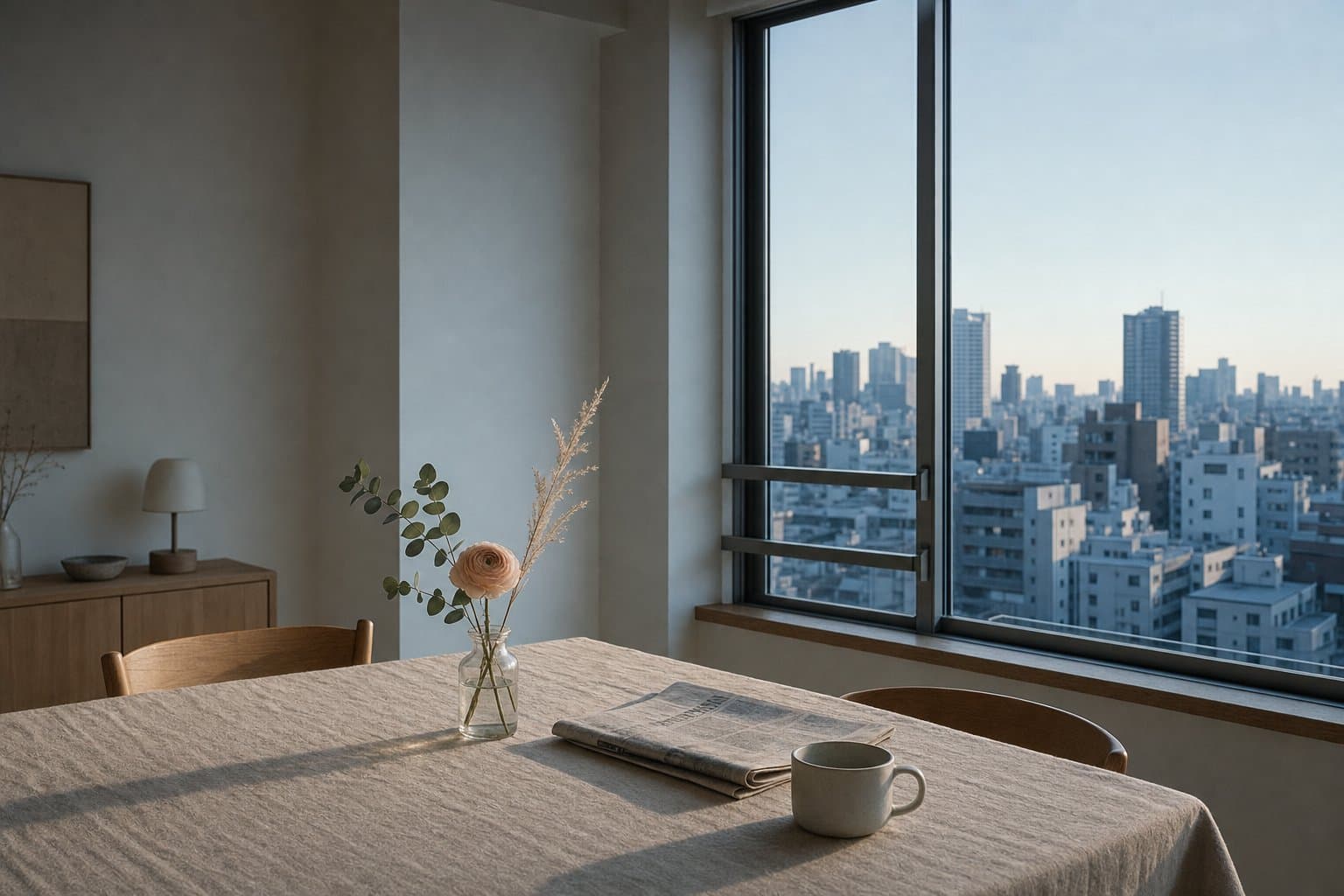
Third, it functions as the smallest unit of cozymaxxing—designing comfort at home. Replacing furniture is a project. A single stem on the table simply changes the temperature of a room. The entry point can be that small. Let me dismantle one common misconception here: the belief that cheap, small plans are poor value because you get fewer stems.
In practice, volume brings its own costs. More stems need more vessels, more water changes, more surfaces to place them on. The people who abandon subscriptions are usually not the ones who started too small—they are the ones who ordered a generous bouquet, ran out of vases, fell behind on maintenance, and watched half of it wilt in the kitchen.
A single-stem or three-stem plan is not a stripped-down version of the real thing; for a compact Japanese apartment it is often the correct answer. Start small, learn how much you can genuinely display and tend, then scale up. Doing it in that order is the single most effective habit for staying with it. Note that vase life varies by species, season and room temperature, so experiences differ from person to person even on identical plans.
How to start: comparing the delivery types in 4 steps
The axis is how it arrives and how much you display. Decide in this order. ①Choose delivery type: mailbox services (+hana (Tasuhana), Bloomee, medelu) if you're rarely home. The boxes are engineered flat enough to pass through a mail slot, so nothing sits in a depot waiting for you. If freshness on arrival or larger stems matter more, choose hand delivery—HitoHana is the volume-oriented option here.
Settling this one question eliminates roughly half the candidates immediately.
- Choose volume: 3-4 stems for a single vase is genuinely enough if the destination is a desk, a windowsill or a washbasin; beyond that you simply run out of places to put them. Go to 8+ stems for a living room table where you want visible presence. When torn, start smaller and move up at renewal—that direction is far easier than the reverse.
- Choose frequency: weekly keeps flowers continuous but demands upkeep every single week; biweekly tends to land just as the previous bunch fades, which is why it suits beginners; monthly suits frequent travelers.
- Prepare a vessel: any glass or empty jar works—don't buy a vase first.
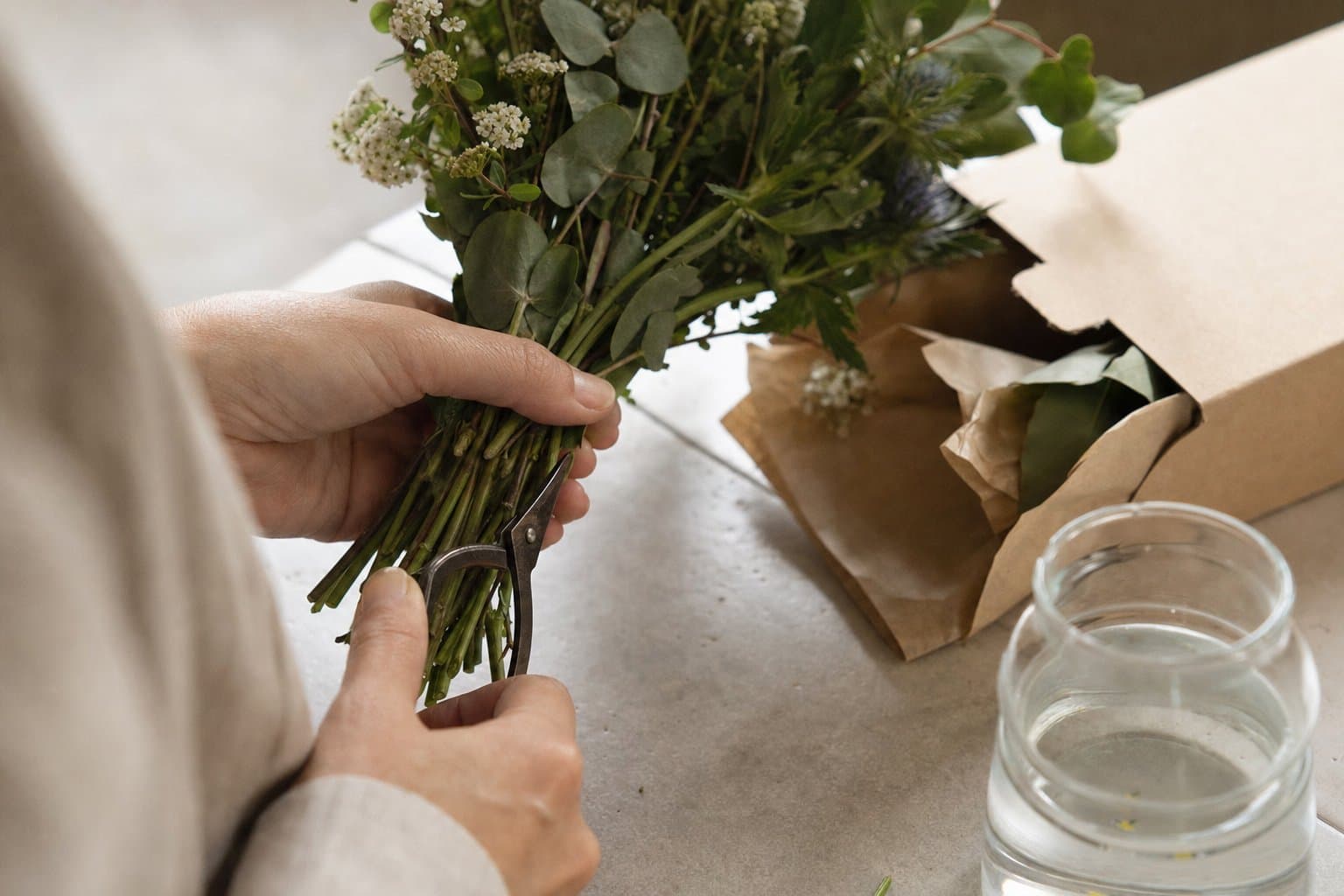
Wait until you have seen the actual stem length and count, then buy something that fits. On arrival, cut stems diagonally by 1cm and change the water daily. That alone visibly extends how long they last. When things go wrong, diagnose rather than quit. If stems droop quickly, suspect water-change frequency and a dirty vessel before blaming the service.
If flowers pile up undisplayed, your volume or frequency exceeds your actual life—drop one step. If the arrangement feels thin by the next morning, that is your signal to move up. Know your stopping point too: if you have thrown away two consecutive deliveries without ever displaying them, the rhythm does not match your life right now.
Pause without guilt and restart when the season or your schedule changes. Vase life varies with species, season and room temperature, so identical care will not produce identical results.
The takeaway: the smallest unit of designed comfort
Keeping flowers at home isn't about personality or talent—it's about whether a system delivers them. If a few hundred yen a month changes the air of your weekday mornings, it's worth trying. The first step is smaller than it looks: today, decide only the delivery method. If you are rarely home on weekdays, mailbox services like Bloomee and medelu fit; if volume and arrival freshness matter more, HitoHana offers hand-delivered bouquets.
Once that single choice is made, volume and frequency narrow themselves almost automatically. When unsure about volume, choose the smaller plan. When unsure about frequency, choose biweekly. Skip the vase entirely and use a glass you already own. That combination is enough to start properly. Details for each service are available below.
If it doesn't fit, stop next month. That lightness is the real appeal, and it means a month that does not go well is not a failure—it is information for the next adjustment. When you want something that stays longer than cut flowers, see houseplants for beginners. Begin with one stem on the table and see what the room does.
FAQ
How cheap can a flower subscription actually be?
Mailbox-delivery plans generally start from around 500 to 1,000 yen a month. The cheaper tiers include fewer stems, but that is entirely workable if the destination is a desk or a washbasin rather than a large table. Pricing scales with stem count and delivery frequency, so the safe path is to start small, confirm you can actually display and tend what arrives, then move up at the next renewal. Plan details change over time, so check each service's current terms before signing up.
Mailbox delivery or hand delivery—which should I pick?
If you are rarely home on weekdays, mailbox delivery is the better fit: no need to be present, no redelivery slips, far less chance of a bouquet sitting in a depot. If you want larger stems, more volume, or the best possible condition on arrival, hand delivery makes more sense. The deciding factor is your schedule rather than your taste in flowers—choosing a format you cannot reliably receive undermines both freshness and satisfaction. Settle this question first and the candidate list shrinks fast.
Is a single-stem plan too sparse to be worth it?
In a compact home, a single stem or a three-to-four stem plan is often the easier choice rather than a compromise. More stems mean more vessels, more water changes and more surfaces to fill, and undisplayed flowers are the most common reason people quit. Starting small, learning how much you can genuinely tend, then scaling up is what keeps the habit alive. One stem on a table already changes how a room reads. How much that matters, of course, differs from person to person.
How established are services like Bloomee?
According to Userlike Inc., Bloomee LIFE is described as Japan's first flower subscription service and grew rapidly in the three years following launch. Since then the category has widened considerably, with both mailbox and hand-delivery formats available from multiple providers. Rather than treating any single brand as the correct answer, it is more practical now to choose by the combination of delivery method, volume and frequency that matches your household. Check each provider's published details for current specifics.
My flowers wilt fast. What should I check first?
Start with water-change frequency and the cleanliness of the vessel. Cutting stems diagonally by about 1cm on arrival and changing the water daily makes a visible difference on its own. Also avoid direct sunlight and the draft from an air conditioner. That said, vase life varies by species, season and room temperature, so identical care will not always give identical results. If nothing improves, reducing volume to a number you can realistically tend is a legitimate fix rather than a defeat.
Can I stop partway if it doesn't suit me?
Most services are built around monthly changes and pauses, and stopping next month if it does not fit is an expected use pattern rather than an awkward exception. A useful signal: if two consecutive deliveries went into the bin without ever being displayed, the rhythm does not match your current life. Pause without guilt and restart when the season or your schedule shifts. Cancellation and pause terms differ by provider, so review the specific conditions before you sign up.
About this article
This article was written by Sofia Reyes (Designer / Lifestyle & Comparison Guides) of the Tokyo Decoded editorial team, with sources and facts checked by the team. We keep editorial independence from advertisers. See our editorial policy.
Sources
Related

Soft Life: The Nigerian-Born Trend That Made Rest and Comfort the New Status Symbol
TikTok's #softlife has crossed 300M views. The Nigerian-born concept — choosing comfort and ease over relentless hustle — is reshaping how Gen Z and millennials think about success. Japan's working culture reform is the perfect backdrop.
Read more →
Digital Detox: A 5-Step Blueprint to Redesign Your Screen Time
Seven and a half hours a day on your phone. Not abstinence — a staged blueprint to redesign notifications and physical distance.
Read more →
Beginner Houseplants: Plant Parenthood for Small Tokyo Apartments
Plant parenthood starts with picking the right species. A calm guide to beginner houseplants that survive small, low-light Tokyo homes.
Read more →