
Home Office Chair Guide: Ergonomic Setup for Small Tokyo Apartments
With hybrid work now the norm in Japan, here's how to choose a home office chair that fits small apartments.
 By Sofia ReyesDesigner / Lifestyle & Comparison Guides·2026.08.12 published·2026.09.06 updated·7 min read·2 sources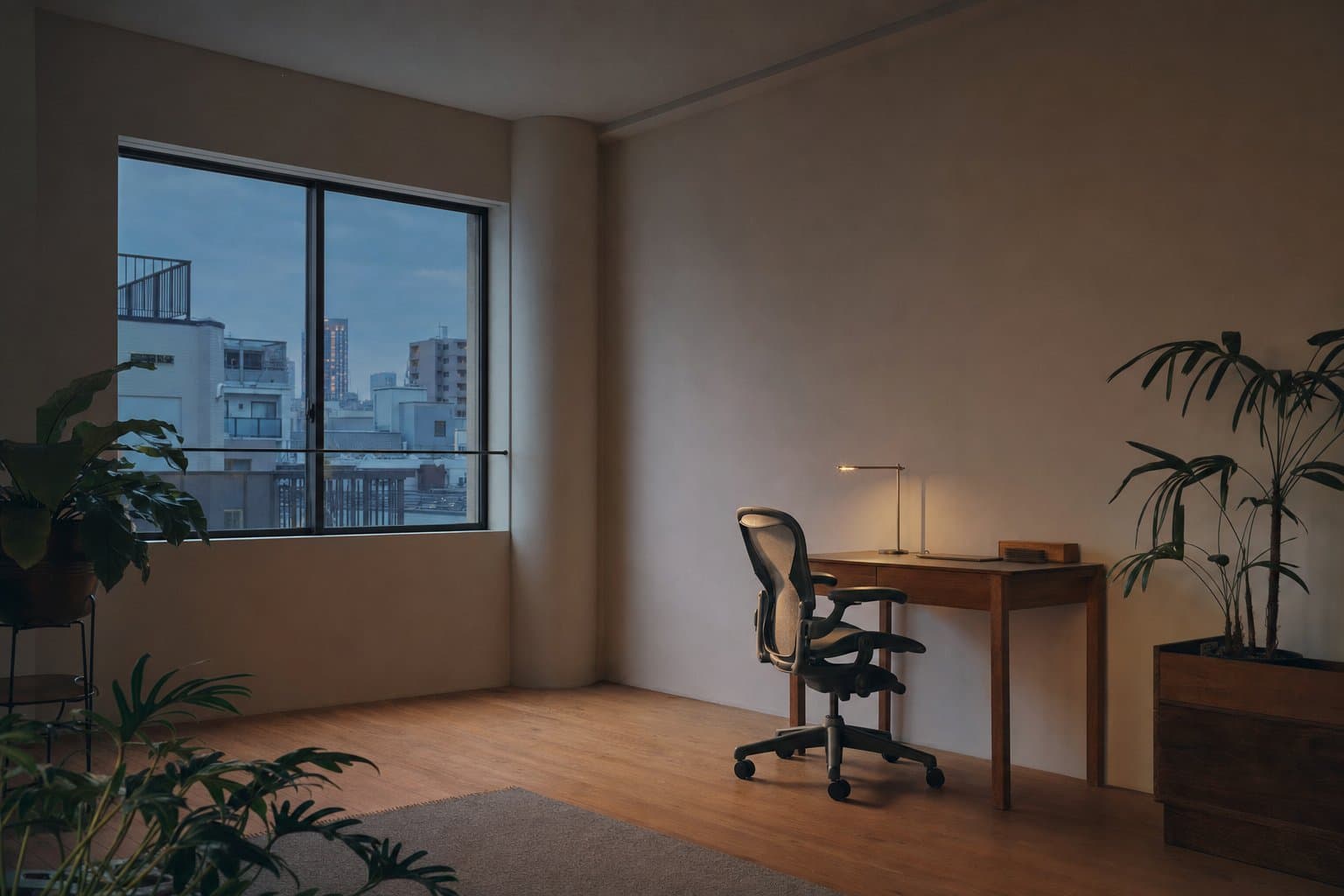
The problem may not be how hard you work — but how you sit. As hybrid work settled into Japanese life in 2025, more of us are spending eight-hour days on dining chairs or floor cushions. The Western desk setup culture is about optimization-for-display, but the real question in a small Tokyo apartment is simpler: how do I stop hurting?
No home office. Just a sore back, every day. This piece is written for that reality. Most people who type home office chair, back pain, or all-day sitting into a search box are already in pain by the time they search. So instead of opening with a photograph of an idealized study, we start from the constraints of the room you actually have.
What price band is realistic. How compact a chair can get before it stops supporting you. What to suspect when a new chair does not fix the ache. We organized publicly available information and compared options on consistent criteria, rather than chasing the prettiest setup. The short version, stated up front: choosing a chair is not an aesthetic contest.
It is a contest of lumbar structure and adjustment range — how well the chair holds the natural curve of your spine, and how far it can be tuned to your body and your desk.
What a home office chair is, and why it matters now
A home office chair, in the sense used here, is a chair designed for long uninterrupted sitting rather than for meals or short tasks. Concretely, that means four things: lumbar support that holds the curve of your lower spine, seat-height adjustment, armrests that take the weight of your arms, and a recline or backrest-angle adjustment. What separates such a chair from a dining chair or a stool is not styling but adjustability.
That is the first fork in the road, and most bad purchases happen there. Now the background. According to Persol Research Institute's 10th Telework Survey (published August 2025), Japan's telework rate stood at 22.5% as of July 2025 — essentially flat year-on-year. That flatness is the signal: remote work has shifted from emergency measure to settled habit.
Their April 2025 wave showed 31.8% of workers doing telework three or more days a week (down 2.1 points from October 2024), confirming that hybrid schedules have become the norm. Japan's Ministry of Land, Infrastructure, Transport and Tourism tracks similar patterns, while Nikkei xTECH has reported rising back pain as a health risk of normalized home work. What makes this specifically a Japanese problem is where that settled habit lands: in apartments.
In an office, someone else already bought your chair and someone else already decided where it goes. At home, you choose it, you pay for it, and you have to fit it into a room that was never designed around a desk. Floor area is the binding constraint, not taste. When half the week at home is standard, your chair stops being furniture and starts being a multi-year investment in your body — which also means the honest way to judge its price is to divide it by the number of years you expect to sit in it, not to compare sticker prices side by side.
Why long hours in the wrong chair hit the back harder
The desk setup videos from abroad usually feature a dedicated room: monitor arm, standing desk, Herman Miller chair. In Japan, a dedicated home office is a minority luxury. Most of us work from a dining chair, a floor cushion in the living room, or a small IKEA desk squeezed into a bedroom corner. Dining chairs are designed for meals — a short sitting session.
The seat is hard, the back is nearly vertical, and there is no lumbar support to preserve the spine's natural S-curve. Sit there eight hours a day and the pelvis tilts backward, the back rounds, and load concentrates on the lumbar discs. That is as far as posture explanation goes. Mechanically, the point of a good chair is that it transfers the job of holding your posture from your muscles to the structure.
Support behind the lower back keeps the pelvis upright instead of rolled back. Armrests absorb the weight of your arms so your shoulders and neck stop bracing. Correct seat height puts your feet flat on the floor so body weight distributes instead of hanging from your lower back. Without that support, your trunk muscles work all day, fatigue, and let the posture collapse — which is exactly why the ache tends to arrive in the late afternoon rather than the morning.
One common misconception is worth killing here: that a softer, deeper-sinking seat is kinder to your back. In practice, a seat you sink into cannot hold the pelvis in place, so your posture drifts through the day. What you want is not softness but firm-enough support plus an adjustment range that fits your body.
A second misconception: that an expensive chair fixes things on its own. Adjustment features only matter once they are actually adjusted to your height and your desk, and skipping that setup blunts the benefit at any price. Responses vary from person to person, and if pain persists, please see an orthopedic specialist rather than self-diagnosing.
Japanese search suggestions for home office chair cluster around recommended, non-fatiguing, and back pain — evidence that most searchers are already hurting when they type.

How to choose a home office chair: 6 steps for small rooms
Here is the framework we used when organizing published information about home office chairs at Tokyo Decoded, in six steps. ① Diagnose: sit in your current chair for one hour and note where it hurts — lower back, shoulders, neck, or hips. The location changes the fix. Lower back points to the backrest and lumbar support; shoulders and neck point to armrests and monitor height; hips point to seat cushioning and seat height.
Keep the same log for about 3 days to separate a one-off ache from a daily pattern. ② Narrow the criteria: for small rooms, realistic options are around 60–65cm wide, castered, in the mid-price band (¥30,000–60,000). If compactness is the priority, skip the headrest and choose armrests that flip up or retract, so the chair tucks fully under the desk and leaves the walkway clear. At minimum, look for lumbar support, seat-height adjustment, and armrests.
The sane way to think about value is price divided by the years you expect to use it, rather than the sticker price alone.
- Compare candidates: in the entry-to-mid range, the Japanese standards are the Ergohuman Basic, Okamura Sylphy, and Itoki Salida YL9. They are built for Japanese body proportions and — unlike most overseas brands — you can actually test them in showrooms. When you sit, check three things: feet flat on the floor, backrest meeting the deepest part of your lower-back curve, and armrests clearing your desktop.
- Adjust it on arrival: set seat height so your feet rest flat and your knees sit level with the seat, armrests so your shoulders stay down, and lumbar support against the hollow of your back.
Skipping this setup blunts the benefit of any chair, at any price.
- If it still is not fixed: revisit desk height and monitor position at the same time. A desk that is too high raises your shoulders; a monitor that is too low pushes your neck forward. Chair, desk, and monitor work as one system.
- Know when to stop: if two weeks of adjustment changes nothing, or things get worse, the problem is likely beyond furniture.
Talk to a doctor before buying yet another chair, and expect results to vary between people. Back pain sits inside the larger question of how you inhabit your home, which connects to our earlier pieces on global life optimization trends and bed rotting.

The takeaway: choose for comfort that lasts, not for looks
The overseas desk setup culture is about showing a finished photo. Our goal here is more prosaic: waking up tomorrow without a sore back. Now that Japan's 22.5% telework rate has settled into a stable norm, a chair is worth treating as a multi-year investment, not a consumable. To summarize, there are three tests, in order: does it have real lumbar structure, can it be adjusted to your body and your desk, and does it physically fit your room.
Filter in that order and price tags and product photography stop steering the decision. Your first step is not a purchase — it is a note. Today, sit in your current chair for one hour and write down where it hurts. That alone cuts the list of features you need to care about roughly in half. Then compare the three models above — Ergohuman Basic, Okamura Sylphy, Itoki Salida YL9 — for current price, stock, and reviews via the Amazon links below, and try them in person if you can.
One caveat: if your pain is severe or persistent, please see a doctor before shopping. Results vary from person to person, and this article is about posture and environment, not a substitute for medical care.
FAQ
What makes a home office chair less tiring over a long day?
Fatigue resistance comes from structure, not from premium materials. The basics are lumbar support that meets the hollow of your lower back, seat-height adjustment that lets your feet rest flat on the floor, and armrests that carry the weight of your arms. When those can be tuned to your body, your trunk muscles stop bracing all day. How much difference you feel varies between people, so test-sit if you can.
Will buying an ergonomic chair cure my back pain?
A chair improves posture and environment; it is not a treatment. Some people feel real relief once the load on their sitting posture drops, but responses vary from person to person. Reviewing desk height and monitor position at the same time usually helps more than the chair alone. If your pain is severe or persistent, talk to an orthopedic specialist before buying another chair. This article is not a substitute for medical advice.
What is a realistic budget for a telework chair?
For small rooms, the practical band is the castered mid-range, roughly ¥30,000–60,000. When judging value, divide the price by the number of years you expect to use the chair rather than comparing sticker prices. If you plan to sit in it for several years, that math usually beats replacing an under-adjustable chair after a short time. Prices and stock change, so check current listings before buying.
How compact can a chair be and still fit a small apartment?
Around 60–65cm wide is the working guideline. Beyond width, skipping the headrest and choosing armrests that flip up or retract lets the chair tuck fully under the desk and keeps the walkway clear. Also measure the space behind the chair, since you need room to recline. Even when size is the priority, do not give up lumbar support and seat-height adjustment — those are what make long sitting survivable.
How often should I stand up during long sitting sessions?
There is no single correct interval — it varies a lot between individuals, so we will not claim a number. What works in practice is building reasons to stand into your day: get up at natural breaks in your work, walk to refill your drink, take calls standing. The goal is to spread changes of posture through the day rather than relying on the chair alone. If the pain is strong, do not push through it — talk to a doctor.
I changed chairs and my back still hurts. What should I check?
Start with the settings. Seat height that does not match your body, lumbar support sitting above or below the curve of your back, and armrests set too high are all common misconfigurations. Next, check desk height and monitor position: a high desk lifts your shoulders, a low monitor pushes your neck forward. If two weeks of adjustment changes nothing or things worsen, the cause is likely beyond your furniture, so see a doctor rather than buying another chair.
About this article
This article was written by Sofia Reyes (Designer / Lifestyle & Comparison Guides) of the Tokyo Decoded editorial team, with sources and facts checked by the team. We keep editorial independence from advertisers. See our editorial policy.
Sources
Related
Mattress for Back Pain: How to Rethink Where You Sleep 8 Hours
Back pain tops Japan's health complaints. A practical guide to choosing a mattress by firmness, pressure distribution, and breathability.
Read more →
A Guide to the World's Life-Optimization Trends: Sleep, Rest, and Owning Less
Sleepmaxxing, Bed Rotting, Underconsumption Core — a single map of the world's trends for a better-designed life. Sleep, rest, and belongings, tuned by data rather than by feel.
Read more →
Bed Rotting: Is Lying in Bed Doing Nothing Actually Good for You?
Spending intentional time in bed doing nothing was Dictionary.com's notable new word for 2023. Gen Z calls it Bed Rotting. Neuroscience calls it Default Mode Network activation. Japan calls it 'tasogare.'
Read more →